Solar Blog

Blog

Home

Blog

  • How Smart Solar Inverters Are Revolutionizing Renewable Energy?
    How Smart Solar Inverters Are Revolutionizing Renewable Energy? Oct 23, 2025
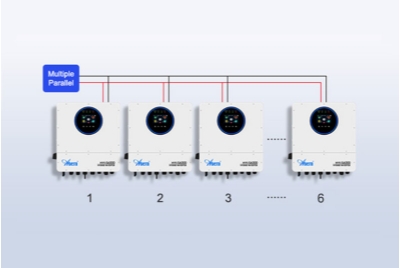
    Smart solar inverters are changing the renewable energy market. New solar inverter technology helps meet energy needs today. Suppliers get better solar energy conversion. They also get improved grid support and strong power management. More people use solar inverters around the world. The global smart solar inverters market is worth USD 11.8 billion in 2024. You get scalable solutions for solar installations. This gives reliable energy and efficient operation. Smart Solar Inverters’ Role What Makes Smart Inverters Different Intelligent Hybrid Inverter give the solar industry new tools. They are not like old inverters. Suppliers get better performance and more trust in their systems. Smart solar inverters talk to solar panels, batteries, and the grid right away. They change settings by themselves to match sunlight and grid needs. This helps make more energy. You can check how the system works and find problems with an app or online. These inverters send alerts if something is wrong. This lets you fix things fast and keep the system running. They help keep the grid steady by controlling voltage and frequency. Feature Smart Inverters Conventional Inverters Energy Management Yes No Optimization Capabilities Yes No Maximum Power Point Tracking Yes Limited or No Battery/Grid Integration Yes No Protection Features Yes Limited Modern solar inverter technology does more than just change energy types. You get better use of energy, safety, and can watch your system in real time. These things help suppliers give good solar solutions.   Why They Are Important Now Smart solar inverters are now very important for suppliers. Solar power is growing and energy needs are changing. New ideas make smart solar inverters even more useful.   Smart solar inverters work better by changing DC to AC and helping renewable energy join the grid. You can watch your system in real time. This helps you use energy better and react to changes. They work with battery storage to give steady energy, even when the sun is not strong. Some inverters are very good at changing energy, up to 98.5%. This makes the system work better and saves money. Easy-to-use controls let you see how much energy you make and use right away. AI helps many inverters work together. This cuts down on waste and makes the system more reliable. Suppliers who use smart solar inverters can follow new trends and offer solutions that grow with the market. You help move to renewable energy and meet the need for better solar systems.   Solar Inverter Innovations MPPT and Energy Optimization Suppliers get big benefits from new solar panel technology, especially with Maximum Power Point Tracking (MPPT). MPPT is a big step forward for solar panels. You use MPPT to get the most energy from each panel, even if sunlight changes. Solar inverter with dual MPPT watch the voltage and current from every panel. They change the settings so each panel works its best. This means solar panels work better and make more energy. MPPT controllers help solar panels work better and make more energy. They adjust to weather and light changes to keep working well. MPPT helps the solar inverter by making more power and using less energy. The system uses a DC-DC converter to match the panel’s voltage to its best point. MPPT keeps changing the voltage to get the most energy, even when things change.   You can see how MPPT inverters work better than non-MPPT inverters in the table below: Metric MPPT (MFCS-MPC) Non-MPPT (P&O) Improvement Total Harmonic Distortion (THD) 1.22% 6% 4.78% Tracking Response Time Improved by 35% N/A N/A Overshoot Reduction Reduced by 28% N/A N/A Average MPPT Efficiency 3-5% higher N/A N/A The Anern Hybrid Solar Inverter uses advanced MPPT to help you get the most from your solar panels. This new idea helps you give good and efficient solutions to your clients.   Hybrid Modes and Load Management Hybrid modes are a big step in new solar technology. You can control how energy moves between solar panels, batteries, and the grid. This gives you more control and makes your system flexible. Hybrid inverters like the Anern Hybrid Solar Inverter let you: Use solar energy first to power things right away. Save extra energy in batteries for later. Send extra energy to the grid to help net metering. This way, you use energy better and do not need the grid as much. You can also give backup power when the power goes out, which is important for businesses. Hybrid modes help you be more independent and meet the need for more renewable energy.   Modular and Scalable Designs Modular and scalable designs are a big change in solar panel technology. You can make your system bigger as you need more energy. This is important for suppliers who work on big projects or want to plan for the future. The Anern Hybrid Solar Inverter lets you connect up to six units together, so it is easy to add more. Benefit Description Efficiency Better at changing DC to AC power, so the system works better. Cost-effectiveness Lower costs because of smart design and standard parts. Ease of maintenance Easier to fix and upgrade, since you can change one part at a time. Scalability You can make the system bigger as you need more energy, without big changes. Reduced project timelines You can finish projects faster and add more power quickly, like a California solar farm did in six months. Lower maintenance costs A Texas utility company saved 30% on maintenance by using the same battery modules and controls. Modular micro inverters and grid-forming inverters are popular now. These new ideas help you use new solar technology faster and with less risk. You can also react quickly when the market changes.   AI and Predictive Maintenance Artificial intelligence brings new changes to solar panel technology. You can use AI to guess and stop problems in your solar inverter systems. AI looks at old and new data to find patterns that might mean something is wrong. This helps you fix things before they break, so your system keeps working. AI platforms use machine learning to guess problems and plan repairs. You can use edge devices to check for problems right away. Modular AI toolkits help your workers check and fix things fast.   With AI, your solar panels last longer and work better. This is a big plus for suppliers who want to offer the newest solar panel technology and stay ahead.   You see fast changes in the field, with a focus on AI inverters, IoT, and hybrid systems for microgrids and electric car charging. By 2030, hybrid inverters with AI and grid-forming features will be the most popular. As a supplier, you can use these new ideas to give better solutions and meet the growing need for renewable energy.   Benefits for Users Efficiency and Cost Savings Smart solar inverters help you save money and energy. Suppliers use new solar panel technology for better results. You can make solar panels work better and get more energy. This can be 5-10% more than old models. More energy means you give better solutions to your clients. Smart grids use computers to save energy and lower costs. Predictive maintenance finds problems early and keeps solar panels working longer. Businesses can sell extra power to the grid and save money. Using renewable energy means you do not need as much grid power. Smart energy systems use energy only when needed, so you waste less. New solar panel technology helps you be more eco-friendly. This also helps you save money and look good in the market. Good solar inverter designs let you watch your system and fix problems early. This lowers repair costs.   Reliability and Uptime Reliability is very important for big solar panel projects. Smart solar inverters last longer and have better warranties than old ones.   Smart solar inverters keep cool and do not overheat. Your system works well, even in hot places. Fewer parts mean fewer things can break, so you get less downtime. You can plan repairs, find problems early, and watch your system all the time. This keeps your panels working their best. Less downtime: You plan repairs so your system works more. Save money: Early fixes stop big problems and make equipment last longer. More reliability: Watching your system keeps panels working well. You give steady solar power and keep your system running, which is important for businesses.   Solar Panel Technology Trends Integration with Smart Inverters Solar panel technology is changing fast. Suppliers use new solar panels with smart inverters. This helps systems work better. You get more reliable renewable energy for your clients. New materials like GaN and SiC make inverters work better. Some inverters are now over 99% efficient. These changes help lower the cost of solar systems.   Smart inverters work with solar panels all the time. They change settings to match weather and energy needs. You can spot grid problems and keep power steady. Mobile apps help you watch your system and change settings from far away. Safety features protect your equipment during power loss. This keeps everything working well. Better power management gives clean electricity to machines.   Studies show future solar panels will work with smart grids and AI. You use energy better and react fast to new market needs.   Battery Storage and Grid Support Suppliers see more battery storage with smart solar inverters. You save energy when demand is low and use it when demand is high. Utilities now have changing prices, so you can earn more money. Smart systems connect to the grid and other tech. This makes energy use smooth and easy.   On-Grid inverters are important for new energy grids. The table below shows what these inverters do: Role of Grid-Forming Inverters Description Simulating Inertia Act like old generators to keep the grid steady. Voltage Regulation Control voltage so equipment works right. Frequency Control Stop power changes and keep delivery steady. Black Start Capability Help the grid start up fast after outages. You use new solar panels and smart inverters to meet more energy needs. These changes help you give better solar power and support renewable energy.   Market Growth and Adoption Global and Regional Trends The Intelligent Hybrid Inverter market is growing fast. The global market was worth USD 8.07 billion in 2025. Experts think it will reach USD 22.48 billion by 2034. This means it will grow by 12.06% each year. Asia-Pacific has the biggest share at 48% in 2024. North America is growing the fastest. You watch these trends to help your business and investments. The Central Inverter segment will be worth USD 9.9 billion by 2030. It will grow by 9.0% each year. The String Inverter segment will grow by 7.1% each year. The U.S. market is worth $3.1 billion in 2024. China’s market will grow by 12.4% each year and reach $5.0 billion by 2030. You use research to see how solar panel technology changes in different places. Hybrid Inverter Manufacturers use new solar panel technology and ideas to stay ahead in renewable energy.   The Future of Smart Solar Inverters Impact on Renewable Energy Transition Smart solar inverters are important for moving to renewable energy. You can use these systems to make adding new energy sources to the grid easier. They help fix voltage and stability problems. This is needed for the grid to work well.   You will see these good things: Better control of voltage changes from different energy sources. Easier switch to renewable energy for your clients. Stronger grid without old generators. You can control power from many places, even if the power goes out. You can make Virtual Power Plants and join the energy market. AI will make solar energy smarter at every step. You can use smart tools to balance making and using energy. This helps you use energy better and support the move to renewable energy. Big companies are working on these new ideas, showing a change to smart energy systems. Your work and use of these new features will help shape the future of solar power.   Smart solar inverters are making renewable energy easier to use. You get better solar power and more steady energy for clients. New solar technology helps suppliers keep improving their systems. Smart inverters help keep the grid safe and work with new energy sources. You can add batteries and electric car charging when energy needs change. Better monitoring helps you make solar systems work well and plan repairs. Designs that can grow help your business get bigger and follow new grid rules. You can pick advanced products like the Anern Hybrid Solar Inverter to stay ahead. Smart technology will keep changing clean energy for suppliers.   FAQ What is the main advantage of smart solar inverters for suppliers? You get better control over energy and more reliable systems. Smart inverters help you make more power and watch how things work. This means your system works better and costs less to fix.   How does MPPT technology benefit your solar projects? MPPT technology helps you get the most energy from each panel. You see good results even if the sunlight changes during the day. This lets you give steady power to your clients.   Can you scale your solar installations with hybrid inverters? Yes, you can make your system bigger when you need more power. Hybrid inverters like the Anern Hybrid Solar Inverter let you add more units. You just connect more as your energy needs go up.  
  • What Inverter Features Can Enhance My Energy Independence?
    What Inverter Features Can Enhance My Energy Independence? Nov 13, 2025
      If you are researching solar, you're already familiar with the term "Hybrid Solar Inverter." It's the traffic controller for your energy, managing power from your panels, battery, and the grid. It has become the standard for modern solar systems.   But once a product becomes "standard," the real difference isn't if it's a hybrid, but what else it can do.   Today's inverters are the intelligent brains of the system. The difference between a cheap, basic model and an advanced one directly dictates your comfort during an outage, your savings on the monthly bill, and the longevity of your system.   1. Monitoring & Control: Is My System 'Coasting'?   One of the most common forms of "buyer's remorse" in solar is installing an expensive system and having no idea if it's working optimally. Are you generating what you should be? Did you use expensive grid power during peak hours, or did you intelligently use your stored battery power?   Without data, you are flying blind.   This is why Smart Remote Management Inverter has become a critical feature. For instance, a Wifi-Communicated Hybrid Solar Inverter does more than just convert power; it's a data hub that pushes real-time performance to your phone or PC via your home's Wi-Fi.   Traditional Monitoring vs. Smart Remote Management Evaluation Traditional Inverter (No Comms) Wifi-Communicated Inverter Performance View Must physically check the small screen on the inverter. Real-time app (Generation, Consumption, Battery Status). Fault Diagnosis You find out when the system stops working (often too late). Instant fault alerts and remote diagnostics. Mode Switching Requires manual button-pressing at the unit. Change settings remotely via app (e.g., set discharge for nighttime). Data Analysis No historical data. Detailed daily/monthly/yearly reports to optimize usage. With this level of smart inverter remote management, you can actively decide whether to sell excess power back to the grid or charge your battery before peak rates kick in.     2. Resilience: What Happens in a Blackout or Bad Weather?   An inverter is a sophisticated piece of electronics. Where is it installed? And how does it react under pressure (like an outage)?   A) Environmental Resilience (IP65) Many installers put inverters in a garage for convenience. But for homes with limited space or installations in harsh environments (coastal, farms, high dust), you cannot use an "indoor" unit. An IP Rating (Ingress Protection) is a global standard for how well a device is sealed against dust and water. An IP65 rating means the unit is "dust-tight" (the '6') and can withstand low-pressure water jets from any direction (the '5').   B) Load Resilience (Dual Output) During a grid failure, a standard hybrid inverter will either shut down or try to power your entire house, which will drain your battery with astonishing speed. This is where All-Weather Dual Load Inverters come in.   An IP65 Dual-Output Hybrid Solar Inverter provides superior resilience on both fronts. The IP65 rating means it can be safely installed outdoors, and the "Dual Output" feature is a game-changer for backup power. It allows you to split your home's circuits into two separate groups: Critical Loads: Refrigerator, freezer, lights, Wi-Fi, medical devices. Non-Critical Loads: Air conditioning, oven, washer/dryer. When the grid fails, the inverter intelligently powers only the "Critical Loads" group while cutting power to the "Non-Critical" group.   [Image of a simple diagram showing:Grid Failure -> Single Output Inverter -> All power off OR Battery drains in 1 hour vs Grid Failure -> Dual Output Inverter -> Critical Loads (fridge, lights) stay ON / Non-Critical Loads (A/C) turn OFF -> Battery lasts 8+ hours]   This separation ensures your essentials run all night, instead of letting your A/C unit kill your battery in one hour.   3. Efficiency: Is My System 'Just Right'?   In solar, "bigger is better" is an expensive myth. Your inverter needs to be precisely sized for your daily consumption and your panel capacity. Inverter too large: Costs too much and runs inefficiently at low power (like at night). Inverter too small: Can't meet your daytime needs or can't handle all the power from your panels (this is called "clipping").   This is why modern units like the Precision Load Matching Hybrid Solar Inverter models exist. The "intelligence" here is their ability to use advanced MPPT (Maximum Power Point Tracking) algorithms to squeeze every available watt from the panels, even in partial shade.   A feature like intelligent power balancing means the inverter is constantly calculating the most economical choice: use solar, discharge the battery, or pull from the grid (and vice-versa).   Sizing Your Inverter Inverter Size Typical Application Key Advantage 2KW apartments, cabins, or systems to offset basic loads (fridge, lights, entertainment). Lower initial cost, highly efficient at light loads. 3.2KW Medium-sized apartment with moderate usage, looking to power most daily appliances. The "sweet spot" for residential use, balancing capacity and cost. Choosing a system with intelligent power balancing rather than a "one-size-fits-all" large inverter ensures you are running on the most efficient part of the power curve 90% of the time, maximizing your return on investment.   Choosing a hybrid inverter is just the first step. To achieve true energy independence, you need to look for these smarter, more resilient, and more efficient features. Your inverter's communication, IP rating, output options, and power management intelligence are what will ultimately define the quality of your solar experience.  
  • Which Inverter Is Best, Hybrid or Off-Grid?
    Which Inverter Is Best, Hybrid or Off-Grid? Aug 26, 2025
    When choosing a solar power system, one of the most important decisions is choosing the right inverter. The inverter plays a key role in how efficiently your system converts solar energy into usable electricity, and it has a direct impact on overall performance as well as long-term cost savings. Among the many options available, two of the most widely compared are hybrid inverters and off-grid inverters. While both serve as the heart of a solar setup, their design, functionality, and best use cases differ significantly. Understanding Off-Grid Inverters An off-grid inverter is specifically designed for solar systems that are not connected to the utility grid. It converts direct current (DC) from solar panels or battery storage into alternating current (AC) to power appliances. These inverters are essential in remote areas where grid access is unavailable or unreliable.   According to a report from the International Renewable Energy Agency (IRENA), more than 770 million people worldwide still lack reliable access to electricity, making off-grid power a critical energy source. An Off-Grid Hybrid Solar Inverter, which can combine solar, generator, and battery input, offers flexibility for communities and businesses that cannot depend on grid electricity.   The main advantage of a pure off-grid inverter is independence. It ensures that energy needs are met entirely through renewable power and stored battery capacity. However, the drawback lies in limited flexibility: once the battery runs out and there is no sunlight, power interruptions can occur unless supported by a backup generator.   Understanding Hybrid Inverters Hybrid inverters, sometimes referred to as grid-tied with battery backup inverters, combine the benefits of both on-grid and off-grid systems. They can store excess energy in batteries and also feed surplus power back into the grid. This dual functionality has made hybrid inverters increasingly popular in regions with unstable grids and rising electricity costs.   A 2023 report from BloombergNEF highlighted that hybrid inverters are growing at a compound annual growth rate (CAGR) of over 12%, driven by demand for energy independence and smart energy management. Modern designs, such as the Intelligent Hybrid Solar Inverter, allow for seamless automatic switching between solar, grid, and battery, minimizing downtime and energy loss.   Additionally, advanced models now feature Multi MPPT Hybrid Solar Inverter technology. MPPT (Maximum Power Point Tracking) optimizes energy harvest from solar panels, particularly in installations where panels face different orientations or shading conditions. Systems with multiple MPPT trackers can achieve 10–15% higher energy efficiency compared to single-MPPT inverters.   Comparing Performance Both off-grid and hybrid inverters provide reliable power conversion, but their efficiency and adaptability differ depending on usage. Hybrid systems are generally more efficient because they allow for multiple sources of energy input, while off-grid systems are designed purely for independence.   Below is a side-by-side comparison based on key technical and practical considerations:   Feature Off-Grid Inverter Hybrid Inverter Grid Connection Not connected to grid Can connect and export to grid Battery Requirement Mandatory Optional (but recommended) Efficiency Range 85–93% 92–98% Flexibility Limited to solar + battery Solar, battery, and grid integration Best Use Case Remote areas without grid access Homes/businesses with grid but unstable supply Backup Power Batteries and/or generator Batteries, solar, and grid backup Smart Energy Management Rarely included Available in models like Intelligent Hybrid Solar Inverter System Cost Lower upfront cost Higher upfront, long-term savings possible   Which Is Best for You? The choice between hybrid and off-grid depends on your specific energy needs:   If you live in a remote area where the grid is nonexistent, an off-grid inverter will be the most practical solution. It ensures complete energy independence, although you will need to invest in a robust battery bank. An Off-Grid Hybrid Solar Inverter may also be considered if you want additional flexibility with generator input.   If you are in a suburban or urban area with access to the grid but want resilience against outages, a hybrid inverter is more suitable. The ability to feed power back into the grid, along with smart features such as load management and real-time monitoring, makes options like the Intelligent Hybrid Solar Inverter or Multi MPPT Hybrid Solar Inverter excellent investments for long-term energy security.   For commercial installations, hybrid inverters often deliver better return on investment. By reducing dependency on grid electricity and selling surplus power back to utilities, businesses can lower operational costs significantly.   The Future of Solar Inverters As energy demand grows and renewable technology advances, hybrid inverters are becoming the dominant choice worldwide. Research from Wood Mackenzie predicts that hybrid inverters could represent more than 60% of all residential inverter sales by 2030. Their flexibility, integration with battery storage, and compatibility with smart grids make them attractive for both households and industries.   Meanwhile, off-grid systems remain critical for rural electrification and humanitarian projects. Their role will continue to expand in regions without strong grid infrastructure, particularly across parts of Africa, Southeast Asia, and Latin America.   Ultimately, the decision is not about which inverter is universally “better” but about which fits your specific requirements. Both technologies are reliable, but understanding how they align with your environment, energy usage, and budget is the key to maximizing efficiency.
  • What is a hybrid solar inverter and how does it work?
    What is a hybrid solar inverter and how does it work? Jul 18, 2025
    A hybrid solar inverter helps you use solar power better. It controls how energy moves between your solar panels, batteries, and the power grid. You can save extra solar energy in batteries. This energy can be used at night or when the power goes out. A hybrid inverter is different from a regular solar inverter. It works with both the solar system and batteries. This gives you more control over your energy use. Many homes and businesses use a hybrid solar inverter. It gives steady power and helps lower energy bills. Here are some common uses for a hybrid solar inverter: Setting Common Applications Residential Changes solar energy for home use, saves extra energy, helps during power outages. Commercial Lowers costs, keeps power steady, manages energy with big solar setups and batteries. Off-Grid/Weak Grid Saves extra solar power, keeps lights on when the network is down or at night.   Hybrid Solar Inverter Basics Main Functions A hybrid solar inverter does more than just change power. It has many important jobs in one device. Here are the main things it does: DC-AC Conversion: The inverter takes DC from your solar panels and turns it into AC. Your home or business uses AC for most things. Battery Charging and Discharging: The hybrid inverter controls your battery storage. It can help batteries store extra solar energy. It uses battery power when you need backup. Load Management: The inverter picks where your energy comes from. It chooses solar panels, batteries, or the grid based on what you need. A hybrid solar inverter mixes the features of a solar inverter and a battery inverter. You get backup power, energy storage, and smart energy control in one system. Here is a table that shows how a hybrid inverter is different from a standard solar inverter: Feature/Function Standard Solar Inverter Hybrid Solar Inverter Power Conversion Changes DC from solar panels to AC for use or grid Changes DC to AC and controls battery charging and use Power Flow Direction One-way (solar panels to grid or house) Two-way (solar, battery, and grid) Energy Storage None Has battery storage with built-in battery control Backup Power No backup power during outages Gives backup power during outages using battery energy Grid Dependency Needs the grid; stops working during outages Can work without the grid during outages Energy Management Basic (solar to load or grid) Advanced (controls solar, battery, and grid; moves loads) Cost Lower cost because it is simple Higher cost because of battery and more features   How It Works You can think of a hybrid solar inverter as the brain of your solar system. It controls how energy moves between your solar panels, batteries, and the grid. Here is how it works step by step: Your solar panels collect sunlight and make DC electricity. The inverter changes this DC into AC for your home or business. If you make more solar energy than you use, the inverter sends extra power to your batteries. When your batteries are full, the inverter can send extra energy to the grid. Some places give you credits for this. If your solar panels do not make enough energy, the inverter can use power from your batteries. If your batteries are low, the inverter can get power from the grid to keep your lights on. During a power outage, the hybrid inverter uses battery power. You still have electricity even if the grid is down. A hybrid inverter uses smart tech to balance all these jobs. It keeps your energy moving well and helps you use more solar power. Energy Flow Management A hybrid solar inverter controls energy flow in a smart way. You do not need to switch between solar, battery, or grid power. The inverter does this for you. Here is how it manages energy: It always uses solar energy first to power your home or business. If you have extra solar energy, it charges your batteries. When your batteries are full, it sends extra energy to the grid. If you need more power than your solar panels make, it uses battery energy. If both solar and battery power are low, it gets energy from the grid. During a blackout, it switches to battery power so you do not lose electricity. Many hybrid inverters have tools to check your energy use and battery levels. You can see this on your phone or computer. This helps you know how your solar system works every day. Hybrid inverters often reach DC-AC conversion rates between 93% and 96%. Some top models can reach up to 99% efficiency in the best conditions. This means you get more usable energy from your solar panel system and battery storage. Hybrid Inverter vs. Solar Inverter Key Differences You might ask how a hybrid inverter is different from a solar inverter. The biggest difference is energy storage and control. A solar inverter changes DC power from your solar panels into AC power for your house or business. It sends any extra energy right to the grid. You cannot keep this extra energy for later use. If the grid goes out, your solar inverter stops working to keep things safe. You can use it at night or when the power is out. The hybrid inverter controls charging and using the batteries. It also picks how much energy comes from solar, batteries, or the grid. This makes your energy system smarter and easier to use. A hybrid inverter lets you control your solar energy better. A solar inverter is simpler and costs less. Advantages of Hybrid Inverters When you pick a hybrid inverter, you get many good things for your solar system: Better Energy Efficiency: The hybrid inverter uses smart controls. It helps you use more solar energy. You use the grid less and save money. Reliable Power Supply: You get backup power from batteries during blackouts. Your lights and important things stay on, even if the grid fails. Cost Savings: You can store extra solar energy. You use it when electricity costs more. Some people see big drops in their bills. Smart Energy Management: The hybrid inverter chooses when to use solar, battery, or grid power. You do not need to switch anything yourself. Flexibility and Growth: You can add more batteries or solar panels later. The system can grow as you need. Hybrid inverter benefits are energy freedom, lower bills, and steady power. Limitations Even though a hybrid inverter has many good points, there are some things to think about: Hybrid inverters usually cost more than solar inverters. The extra features and battery storage make the price higher. The system is more complicated. You may need a pro to set it up and take care of it. Hybrid inverters need careful planning. You must match your solar panels and batteries. This helps the system work well and last longer. If you want the best mix of solar power, battery storage, and grid help, a hybrid inverter is a smart pick. It gives you more control and helps you worry less. Solar Hybrid Inverter Types Dual AC Output Models Dual AC output models let you power two areas at once. These inverters give two AC outputs with the same voltage and phase. This helps you use your solar power better. You can manage loads more easily. Many models work on-grid, off-grid, or in hybrid mode. Some even work without batteries. These inverters have smart load management and remote monitoring. You can check your system on a display or your phone. Specification Aspect Details Power Ratings 4.3kW, 6.3kW, 8.3kW, 10.3kW, 12.3kW AC Output Voltage 220V/230V/240V Max PV Input Voltage 500V DC Working Modes On-grid, off-grid, hybrid, batteryless Features Dual AC outputs, intelligent load management, remote monitoring, battery compatibility Typical Use Cases Homes, commercial buildings, off-grid systems   Tip: Dual AC output inverters let you split power for different needs. This makes your solar system more flexible. 4.2KW, 6.2KW, and 10.2KW Options You can pick from different power levels for your needs. The 4.2KW and 6.2KW models fit small or medium homes. They run daily appliances and give backup power. The 10.2KW Hybrid Solar Inverter is for bigger homes or small businesses. Each inverter can handle high starting loads. These models work with 24V or 48V batteries. You get steady AC power for your lights and equipment. Model Rated Power (W) Max PV Input Power (W) Surge Power (W) Battery Voltage (V) Suitable Installation Size 4.2KW 4200 6200 8400 24 Small homes, off-grid cabins 6.2KW 6200 6500 12400 48 Medium homes, small businesses 10.2KW 10200 12000 20400 48 Large homes, commercial buildings   Applications Solar hybrid inverters work in many places. In homes, they keep lights and appliances on during outages. In businesses, they power computers, lights, and machines. Off-grid cabins and remote sites also use these inverters. You get steady power day and night. The system stores extra solar energy in batteries for later. Many inverters let you track performance with an app. You can see how much solar energy you use and save. AC-coupled inverters are good for adding batteries to old solar setups. DC-coupled inverters are more efficient for new solar systems. Pick your inverter based on your energy needs and future plans. Note: A solar hybrid inverter gives flexible power for homes, businesses, and off-grid places. You get reliable electricity and better control over your energy use. Pros and Cons Benefits If you pick a hybrid inverter, you get many good things: You make your own power, so you pay less for electricity. Some places give you tax breaks or rewards to help with costs. Hybrid inverters last longer than old systems, so you fix them less. These inverters use both solar and grid power, making them work better. Special features like MPPT help your solar panels do their best. You can keep extra solar energy in batteries for night or blackouts. Using a hybrid inverter means you use less fossil fuel, which helps nature. Smart tools let you watch and control your energy, so it is easy to use. Your home might be worth more because you have a modern energy system. Tip: Hybrid inverters help you save money, control your power, and use cleaner energy at home or work. Drawbacks There are some things that are not so good about hybrid inverters: They will cost a little more than regular inverters because of extra features and batteries. You need a pro to set up the system because it is more complicated. You may need to learn how your system works to use it well. It can cost more to keep up because there are more parts and tech. Note: Good planning and help from experts make your hybrid inverter last longer and work better. Maintenance It is important to take care of your hybrid inverter. You should check your system once a year. Here are some easy things to do: Clean off dust or dirt from the inverter and solar panels. Look at all wires and make sure they are tight and safe. Check that cooling fans or heat sinks are working right. Update the software if your inverter has smart features. Watch for warning lights or error messages. Test the energy output to see if your system is working well. Doing regular checks stops problems like overheating or bad wires. Basic service visits usually cost $150 to $300. If you need more work, like updates or repairs, it might cost more. Taking care of your hybrid inverter keeps your solar system working well and saves you money.   Investment and Suitability Cost Factors When you think about the price of a hybrid inverter system, you need to look at more than just the inverter. The total price also includes solar panels, batteries, and installation. Sometimes, you need to upgrade your electrical system too. If you put in solar panels and batteries at the same time, you save money. You only need one set of permits and inspections. The size of your battery, the kind of inverter, and if the parts work together all change the price. The price depends on what you need. Tip: You can use government programs like the 30% Federal Investment Tax Credit to help pay for your solar and battery system. Who Should Choose a Hybrid Inverter A hybrid inverter is a good choice for many people. It is helpful if you want solar panels now and batteries later. This system lets you pick different battery brands. If you live where the power goes out a lot, a hybrid inverter keeps your lights on. You can also save money by using extra solar energy at night or when it is cloudy. Homeowners in sunny places can use more solar power. People who want lower electric bills can store and use their own energy. If you care about nature, using more solar energy helps the planet. Future-Proofing A hybrid inverter helps you get ready for changes. You can switch between grid and off-grid modes when the power goes out. The system lets you save solar energy and use it when electricity costs more. Many hybrid inverters let you change how they work as rules or prices change. Remote updates keep your inverter working with new rules. You can add more panels or batteries if you need more energy later. Note: Picking a hybrid inverter means you can keep up with new technology and changing energy needs over time.   A hybrid solar inverter lets you use solar power in smart ways. You get backup power when the grid goes out. It helps you manage your energy easily. Your bills can be lower too. Here are the main ideas: The inverter changes solar power for your house. It saves extra energy in batteries for later. It controls power from solar panels, batteries, and the grid. You get steady electricity, even if there is a blackout. You can check your system with apps. You can add more batteries if you need them. Think about how much energy you use. Talk to a certified installer for help. Hybrid inverters make solar systems work better for everyone.  
  • How to Choose the Right Hybrid Solar Inverter?
    How to Choose the Right Hybrid Solar Inverter? Jun 19, 2025
    As solar power systems continue to grow in popularity, selecting the right hybrid solar inverter has become a crucial decision for homeowners and businesses seeking energy independence and efficiency. A hybrid solar inverter not only manages solar energy generation but also integrates battery storage and grid usage seamlessly. But how do you choose the right one?   Start by evaluating your energy needs. Consider your average energy consumption, the size of your solar panel system, and whether you plan to store excess energy in a battery for nighttime use or emergencies. A reliable choice like the Anern Hybrid Solar Inverter is designed to accommodate varying energy demands with excellent performance and intelligent management features.   Compatibility is also essential. Make sure the inverter supports integration with your battery system and can handle both AC and DC power. Advanced Solar Inverter Solutions today often feature flexible input options, user-friendly interfaces, and compatibility with different brands of solar batteries, helping you future-proof your system.     Another important factor is connectivity. A WiFi-Communicated Hybrid Solar Inverter enables real-time monitoring of your solar energy system through a mobile app or web dashboard. This feature lets you track power generation, battery levels, and system performance from anywhere, ensuring optimal operation and quick troubleshooting.   At Anern, we offer hybrid solar inverters engineered with smart control, multi-mode operation, and reliable performance. The Anern Hybrid Solar Inverter stands out with its advanced MPPT technology, remote monitoring via WiFi, and seamless switching between solar, battery, and grid power.   Backed by years of expertise in renewable energy, Anern provides not only high-performance products but also complete Solar Inverter Solutions tailored to your unique needs. Whether you're upgrading your home system or building a commercial solar project, choosing Anern means investing in innovation, quality, and long-term support.    
  • When Should You Use Hybrid Inverters in Solar Installations?
    When Should You Use Hybrid Inverters in Solar Installations? May 29, 2025
    By integrating solar panels with battery storage, hybrid inverters offer greater flexibility, increased energy independence, and improved overall performance. But when exactly should you consider using a hybrid inverter in your solar installation?    1. Maximize Energy Efficiency and Flexibility   Hybrid inverters are designed to work with both solar panels and batteries, providing seamless energy storage and backup. For homeowners and businesses looking to optimize their energy use, these inverters ensure that excess solar power is stored in batteries for later use, rather than being sent back to the grid. The 10.2 kW hybrid inverter is perfect for larger installations where high capacity is needed, while the 6.2 kW hybrid inverter offers an efficient solution for medium-sized systems.   By using hybrid inverters, you can reduce reliance on the grid, lower electricity bills, and have access to stored energy during power outages or at night. This added energy independence is a key reason why hybrid inverters are becoming increasingly popular in solar applications.   2. Energy Backup for Critical Loads   For off-grid homes or businesses in areas prone to power outages, hybrid inverters provide a reliable energy backup solution. The ability to store energy in a battery means you have a continuous power supply when the grid goes down. This is particularly beneficial in remote locations or during emergencies where uninterrupted power is essential. A 10.2 kW hybrid inverter would be ideal for large homes or small businesses with high energy consumption, while a 6.2 kW hybrid inverter suits residential properties or smaller businesses with moderate demands.   3. Take Advantage of Solar Incentives   With increasing government support for renewable energy, investing in solar systems with hybrid inverters could allow you to benefit from various incentives and rebates. This makes hybrid inverters an excellent choice for those looking to maximize their return on investment. Not only do they allow you to save on energy costs, but they also help you reduce your carbon footprint while taking advantage of available financial incentives.   4. Why Choose Anern Hybrid Inverter?   When choosing a hybrid inverter, the Anern hybrid inverter stands out as a top choice for both residential and commercial solar applications. Known for its high efficiency, reliability, and ease of integration, the Anern hybrid inverter ensures optimal performance in a variety of settings. Whether you opt for the 10.2 kW hybrid inverter for large-scale needs or the 6.2 kW hybrid inverter for more moderate energy consumption, Anern’s products deliver consistent and long-lasting results.   Why Trust Us?   At Anern.net, we are dedicated to providing innovative, cost-effective, and sustainable solar energy solutions. Our hybrid inverters are built to meet the growing demand for energy-efficient systems that deliver high performance and reliability. With a commitment to customer satisfaction and a strong track record in the solar industry, Anern stands as a trusted name in hybrid inverter technology.     
  • When should you choose a low-frequency hybrid solar inverter?
    When should you choose a low-frequency hybrid solar inverter? Apr 18, 2025
    ​When considering a solar power system, choosing the right inverter is crucial for ensuring efficiency and reliability. A low-frequency hybrid solar inverter is an excellent option for specific situations, especially when durability and handling high power surges are essential.​   Learn about Low-Frequency Hybrid Solar Inverters Low-frequency hybrid solar inverters are designed with robust transformers, allowing them to manage higher power surges and provide stable performance. This makes them ideal for applications where power demands are substantial and consistent.​   Ideal Scenarios for Low-Frequency Hybrid Inverters Heavy-Duty Equipment: If your setup includes machinery or appliances that require significant power to start, such as pumps or compressors, a low-frequency inverter can handle these demands effectively.​ Off-Grid Locations: For remote areas without reliable grid access, these inverters offer dependable power conversion, ensuring continuous electricity supply.​ High Surge Requirements: In situations where appliances have high starting currents, the robust design of low-frequency inverters accommodates these surges without compromising performance.​   Advantages of Low-Frequency Hybrid Inverters Durability: Built to withstand demanding conditions, these inverters offer long-term reliability.​ High Surge Capacity: Capable of managing sudden increases in power demand, ensuring stability.​ Versatility: Suitable for various applications, from residential setups to agricultural operations.​   The Role of Smart Hybrid Solar Inverters Smart hybrid solar inverters integrate advanced features like intelligent energy management, allowing for seamless switching between solar power, battery storage, and grid electricity. This ensures optimal energy utilization and cost savings.​   Consider a 2kW Hybrid Solar Inverter For smaller setups or specific applications, a 2kW hybrid solar inverter offers a balance between efficiency and capacity. It's suitable for powering essential appliances and can be an integral part of a larger energy system.​   Selecting a low-frequency hybrid solar inverter is beneficial when your energy needs involve high power demands, off-grid reliability, or equipment with significant starting currents. Assessing your specific requirements will guide you in choosing the most suitable inverter for your solar power system.  
  • What Can You Control with a Solar Inverter?
    What Can You Control with a Solar Inverter? Mar 07, 2025
    Solar energy is becoming an increasingly popular choice for both residential and commercial applications. At the heart of any solar power system is the solar inverter, a crucial device that converts direct current (DC) from solar panels into alternating current (AC) for everyday use. But beyond this essential function, solar inverters offer advanced control capabilities that optimize power consumption, improve efficiency, and enhance overall system performance. Let’s explore the different aspects of what you can control with a solar inverter.   1. Power Conversion and Output Regulation   One of the primary functions of a solar inverter is to regulate power conversion. Solar panels generate DC electricity, but most appliances and the electrical grid operate on AC. The inverter ensures this conversion happens efficiently, preventing energy losses. Modern inverters, such as low frequency inverters, provide stable AC output with minimal harmonic distortion, ensuring compatibility with sensitive electronic devices. This is especially important in industrial applications where maintaining a steady power supply is critical to operations.   2. Load Management and Energy Distribution   Solar inverters can intelligently manage electrical loads to optimize energy consumption. Many advanced models can detect peak demand periods and adjust power distribution accordingly. This ensures that essential appliances receive priority while non-essential devices operate during off-peak hours. For businesses sourcing from a wholesale solar inverters supplier, having inverters with load management capabilities can significantly reduce electricity costs. These inverters enable users to balance power usage efficiently, integrating seamlessly with battery storage systems for uninterrupted energy supply.   3. Battery Storage and Backup Power   Solar inverters play a key role in battery storage integration. Hybrid inverters, for instance, allow users to store excess solar energy in batteries for later use, providing backup power during grid outages. A high-quality frequency inverter manufacturer designs inverters with intelligent charge controllers that optimize battery charging cycles, extending battery life and maximizing energy efficiency. This is especially beneficial for off-grid or remote installations where a consistent power supply is crucial.   4. Grid Interaction and Feed-in Control   Grid-tied solar inverters have the ability to interact with the power grid, feeding excess electricity back to the utility company. This not only helps reduce electricity bills but also supports the stability of the electrical grid by supplying renewable energy during peak demand periods. Inverters with advanced grid management features allow users to control how much energy they export, ensuring compliance with local energy regulations. Smart inverters can also switch between grid and battery power, depending on energy availability and pricing fluctuations.   5. Voltage and Frequency Stabilization   A low frequency inverter is specifically designed to maintain stable voltage and frequency levels. This is critical for industrial applications where fluctuations can cause operational disruptions or equipment damage. By stabilizing output, inverters help ensure that machinery and electrical systems operate efficiently and safely. For users investing in wholesale solar inverters, selecting models with advanced frequency stabilization features can enhance overall power quality and prevent unexpected downtime.   6. Remote Monitoring and System Diagnostics   Modern solar inverters come equipped with smart monitoring capabilities that allow users to track energy production, consumption, and overall system health in real time. Many inverters are now integrated with Wi-Fi or Bluetooth, enabling remote access through mobile apps or online portals. This level of control is particularly useful for businesses managing multiple solar installations. A frequency inverter manufacturer offering inverters with remote monitoring features ensures that system performance can be analyzed and optimized without the need for on-site inspections.   7. Integration with Smart Home and IoT Devices   With the rise of smart home technology, solar inverters can now integrate with IoT (Internet of Things) devices to further enhance energy efficiency. Users can automate energy consumption based on real-time solar generation data. For example, a smart home system can schedule energy-intensive appliances like washing machines or water heaters to operate when solar energy production is at its peak. For those purchasing wholesale solar inverters, choosing inverters with smart integration features can future-proof energy systems and provide seamless connectivity with modern automation technologies.   8. Protection Against Power Surges and Faults   Solar inverters are equipped with built-in protection mechanisms to safeguard against voltage surges, short circuits, and overheating. These protective features help extend the lifespan of the entire solar system and ensure safe operation under varying environmental conditions. A frequency inverter manufacturer focusing on safety and durability will incorporate multiple layers of protection to prevent damage from unpredictable power fluctuations. Investing in such inverters ensures reliability and long-term efficiency. Solar inverters are far more than simple power converters; they are intelligent devices that offer comprehensive control over energy management. From optimizing power conversion and load distribution to enabling smart monitoring and grid interaction, these inverters play a crucial role in maximizing the benefits of solar energy. Whether you're an individual user or a business looking for wholesale solar inverters, choosing an inverter with advanced control capabilities can enhance both efficiency and sustainability in your energy system.    
1 2 3
A total of3pages

Anern Industry Group Limited All Rights Reserved.Xml | Privacy Policy Network Supported

Click Here To Get Free Quote

Click Here To Get Free Quote
submit

home

products

Contact us