Solar Blog

Lithium Battery Solar System

Home

Lithium Battery Solar System

  • What Are the Critical Factors to Evaluate Before Installing an Off-Grid Solar System?
    What Are the Critical Factors to Evaluate Before Installing an Off-Grid Solar System? Aug 18, 2026
    Transitioning your facility to an off grid solar system requires careful planning. Enterprise leaders must analyze critical factors to consider before disconnecting from municipal utilities. Deploying off-grid solar technology demands load profiling, array sizing, and battery autonomy calculations. You must balance capital expenditure against long-term operational costs. Implementing a commercial solar power system boosts environmental sustainability while building energy independence. Still, going off-grid creates unique engineering challenges. Commercial operators managing off-the-grid living quarters for remote industrial sites need a reliable off-grid solar system. Aligning your Solar System Off-Grid investment with organizational goals secures continuous renewable energy. Choosing advanced off-grid solar systems ensures complete energy independence.   Key Takeaways Audit daily energy use and calculate peak surge currents to choose the right inverter size. Plan extra solar panels and three days of lithium battery storage for rainy weather. Compare initial battery costs with long-term savings to protect against rising electricity prices. Clean solar panels quarterly and check lithium batteries bi-annually to maintain high power output. Follow local electrical codes and safety rules to protect your equipment and site workers.   Evaluating Off-Grid Solar System Energy Demands   Auditing Daily Solar Energy Loads You must evaluate daily power demands before deploying off-grid solar infrastructure at your facility. Facility managers begin by auditing all commercial equipment to calculate exact energy requirements. Building a complete appliance inventory allows you to track heavy machinery loads effectively. You list each device, record its wattage rating, and estimate daily operating hours. Multiplying device wattage by daily runtime yields total watt-hours per day, which you divide by 1,000 to determine daily kilowatt-hour energy requirements. Industrial facilities with conveyor systems, high-intensity lighting, and cold storage exhibit steady power usage across working shifts. Planning commercial off-grid solar systems requires capturing consumption variations between working days and non-working weekends. Specialized management software tracks energy patterns to determine baseline energy needs. You use load calculators and energy audit tools to build operational profiles for different seasons under varying weather conditions. This accurate data ensures your solar array and battery storage satisfy your daily solar energy demand without power deficits.   Calculating Peak Electrical Demands Sizing inverter capacity for off-grid solar systems depends on calculating peak electrical demand accurately. You must determine maximum simultaneous running loads instead of adding every nameplate rating together. Peak demand charges often represent 30 to 60 percent of commercial utility bills, making load timing critical when going off-grid. You must identify which heavy machinery units operate concurrently to establish true continuous power demand. Motor-driven equipment like industrial HVAC compressors and pumps draw high surge currents during startup. Inductive loads draw surge currents 3 to 7 times higher than steady running current for 0.5 to 3 seconds. You calculate peak demand by adding this startup surge delta to simultaneous running wattage. Continuous inverter ratings must cover steady simultaneous peaks while surge capacity absorbs worst-case equipment motor transients. Adding a 20 percent safety margin protects hardware against unexpected transient loads during off-grid solar operation. This step ensures equipment meets inverter surge limits, preventing nuisance trips when going off-grid. Enterprise operators use these calculations to maximize solar energy performance across off-grid commercial facilities.   Sizing Off-Grid Solar Systems Core Components Designing commercial off-grid solar systems requires precise integration of PV panels, charge controllers, inverters, and lithium battery banks. Reputable Solar Equipment Suppliers provide industrial hardware built to meet strict quality standards. You must install wiring using proper specifications, such as 8-10 AWG PV wire on long cable runs, to minimize voltage drop and power loss. Commercial loads depend on solar panels and off-grid solar systems. Integration Order Component Engineering Role 1 Load Analysis Defines daily energy requirements 2 Battery Bank Establishes local battery capacity 3 Charge Controller Regulates current to the battery 4 Inverter Converts DC power to AC power 5 Solar Panels Captures solar energy for off-grid solar operation   Assessing Solar Irradiance Potential Solar irradiance factors determine your total daily power generation. You evaluate peak sun hours and local weather patterns to meet commercial energy requirements. Array sizing for off-grid solar systems must account for seasonal variations. Modern panels offer improved solar panel efficiency to maximize capture under sub-optimal sunlight. According to NREL's study of nearly 2,000 solar systems, monocrystalline silicon solar panels produced after 2000 degrade by about 0.4% per year—less than half of the 1% annual degradation rate often used in warranty assumptions. Factoring this long-term panel efficiency reduction into design ensures that your commercial solar panels continue generating target electricity levels after decades of operation. Installing extra rooftop panels compensates for degradation over time.   Selecting Off-Grid Solar Battery Capacity Sizing solar panels and your battery backup infrastructure requires evaluating battery autonomy during multi-day overcast conditions. Standard remote commercial operations require 3+ days of battery backup to prevent operational downtime. Critical facilities need reliable battery backup during extended storms. Commercial off-grid solar applications rely on advanced lithium iron phosphate technology to deliver enhanced energy storage. Operating your lithium battery storage at an 80% depth of discharge optimizes cycle life while maintaining reliable power. Remote managers evaluate installed solar-array panels and off-grid solar performance to maximize operation. Selecting the best off-grid solar kits simplifies equipment matching. Enterprise leaders select the best off-grid solar kits to streamline installation, protect their off-grid solar systems, and optimize their commercial solar power system.   Financial Feasibility of Solar System Off-Grid Options Comparing Upfront vs. Grid-Tied Costs Evaluating a solar system off-grid installation requires clear capital allocation. You must compare upfront capital expenses against long-term operational savings. A commercial solar power system requires initial capital investment for batteries and power electronics. However, going off-grid eliminates expensive utility line extension charges for remote facilities. Remote commercial properties represent ideal locations for off-grid solar deployments. System Type Payback Period Financial Effect Commercial Solar 3–7 Years Avoids peak grid electricity rates Off-Grid Solar 4–10 Years Eliminates ongoing utility reliance Facility managers calculate the total cost to go off-grid before purchasing components. The overall cost to go off-grid depends heavily on battery capacity. Long-term cost savings justify high capital outlays. Choosing a solar system off-grid setup protects operations from rising utility rates. Achieving true energy independence reduces utility risks. Enterprise operators adopt off-grid solar systems to secure continuous power.   Spatial Footprint and Maintenance Requirements Space availability influences system capacity directly. Heavy operational requirements dictate battery sizes. Spatial requirements affect mounting choices on facility roofs or ground areas. Rooftop panels require structural verification. Ground-mounted panels maximize sunlight tilt angles. Dust accumulation on panels lowers output efficiency. Technicians clean solar panels periodically. Facility managers inspect panels regularly. Service Item Interval Operational Purpose Module Cleaning Quarterly Maintains solar generation output Battery Checks Bi-annually Prevents unexpected power drops An off-grid facility benefits from a solar system off-grid architecture. Remote industrial sites housing staff require power similar to off-the-grid living quarters. Routine maintenance requirements stay minimal over system lifespans. Investing in a solar system off-grid layout builds operational resilience. Scalable off-grid solar systems reduce ongoing grid reliance. Modern sustainability targets drive corporate goals forward. Renewable power supports environmental sustainability across operations. Commercial managers optimize solar system off-grid performance to maintain energy independence. Going off-grid provides total energy security. Going off-grid ensures uninterrupted business continuity.   Ensuring Legal, Safety, and System Compliance   Navigating Commercial Permits and Zoning You must obtain official commercial building permits before constructing your renewable power facility. Licensed electrical engineers must design commercial off-grid solar systems to satisfy municipal building codes. Local planning boards evaluate physical site plans to grant conditional use permits for commercial installations. Your comprehensive engineering design must cover all expected facility loads. Systems must satisfy critical power requirements for emergency fire alarms, water well pumps, and fire sprinkler pumps. Remote industrial operations must incorporate three days of battery autonomy and backup generators with automatic transfer switches. Commercial energy projects must comply with local zoning rules and permitting requirements. Local fire districts require direct plan reviews before granting operational approval. Municipal regulations demand an exterior electrical disconnect on the outside of any structure served by standby power. This accessible disconnect enables emergency responders to isolate electrical circuits immediately during site incidents.   Adhering to Electrical and Safety Standards Adhering to National Electrical Code standards guarantees system reliability when going off-grid. Article 690 governs commercial solar photovoltaic equipment integration. You must size equipment grounding conductors per NEC Table 250.122 according to overcurrent protection ratings. A 40A circuit requires #10 AWG wire, whereas 60-100A circuits specify #8 AWG conductors. Larger commercial circuits demand #6 AWG wiring. Article 690.43 requires bonding metal module frames and mounting racks using UL 467-compliant connectors. You need certified off-grid solar equipment to maintain operational continuity. Your facility must select listed hardware to satisfy safety standards. Inverters must hold UL 1741 or IEC 62109 safety certifications. Commercial off-grid solar arrays can operate up to 1000V DC under NEC guidelines. Article 706 sets safety requirements for commercial energy storage systems. Systems require DC arc-fault protection, ground-fault detection, and rapid shutdown compliance per NEC 690.12. Going off-grid safely requires durable hazard labeling, proper battery ventilation, and accessible disconnect switches. Fulfilling these rigorous technical requirements protects your industrial infrastructure and safeguards facility personnel.   Successful off-grid solar deployments demand load auditing, component sizing, financial modeling, and regulatory compliance. You must evaluate operational needs before going off-grid. Choosing quality off-grid solar components boosts corporate sustainability and builds energy independence. System Option Payback Period Battery Cost Share Hybrid Commercial Systems 5–8 years 30–50% of total cost Fully Off-Grid Configurations 7–12 years Highest overall investment Enterprise operators compare hybrid facilities against off-grid solar systems to unlock energy freedom. Hybrid setups keep grid connections while off-grid sites rely on battery backup infrastructure. Deploying a commercial Lithium Battery Solar System delivers vital battery backup, supporting enterprise sustainability and long-term energy independence.     FAQ How do you calculate peak electrical demand for commercial off-grid systems? You identify all heavy commercial equipment that runs concurrently at your facility. Next, you sum their continuous operating wattage and add the highest motor startup surge delta. Adding a 20 percent safety margin ensures your inverter handles peak surge loads without tripping. Why do commercial off-grid systems require lithium iron phosphate batteries? Lithium iron phosphate batteries support deep discharge cycles up to an 80% depth of discharge. They provide reliable energy storage during multi-day overcast conditions. This technology maintains continuous power delivery for remote industrial facilities without experiencing heavy operational performance loss over long lifespans. What safety standards govern commercial off-grid solar installations? Commercial installations must follow National Electrical Code standards like NEC Article 690 and Article 706. You must select listed inverters holding UL 1741 or IEC 62109 safety certifications. These codes mandate proper grounding, arc-fault protection, and rapid shutdown systems across your industrial site. How many days of battery autonomy do remote industrial facilities need? Standard remote commercial operations require at least 3 days of battery autonomy. This energy reserve keeps critical machinery, safety alarms, and facility operations running during extended overcast weather or severe storms without relying on active solar power generation.
  • what role does smart inverter technology play in large-scale integrated solar systems?
    what role does smart inverter technology play in large-scale integrated solar systems? Aug 12, 2026
    You deploy smart inverters and smart solar inverters in energy storage systems. In 2024, the utility-scale PV inverter market reached USD 13,289.6 million. Smart solar inverters direct real-time energy management, output, grid stability, battery storage, and Solar Storage System dispatch. Smart commercial solar inverters increase efficiency using smart energy systems integration, smart technology, smart monitoring control, smart solar inverters. Key Takeaways Smart solar inverters stabilize local power grids through real-time voltage management and fast frequency control. Integrated solar systems lower peak electricity costs by storing extra energy for heavy usage periods. Advanced monitoring tools track live energy data to optimize system efficiency and prevent power downtime. Grid Stabilization in a Solar Storage System You maintain high power quality and grid stability across commercial utilities by deploying smart solar inverters. Modern commercial energy facilities rely on smart technology for dynamic load management across complex distribution feeder lines. A commercial solar storage system uses smart pv inverters to regulate active and reactive power instantly. Commercial wholesalers integrate smart systems, smart functions, smart controls, smart units, smart designs, smart equipment, smart tools, smart monitoring, smart networks, and smart operations to ensure total grid compliance. These advanced installations deliver reliable performance for demanding industrial operations. Voltage and Frequency Control Smart solar inverters dynamically balance grid fluctuations under the strict IEEE 1547-2018 standard. You stabilize local voltage levels when smart solar inverters modify active power output and manage real-time voltage. Utility solar power plants demand immediate active power control to limit severe feeder overloads during peak generation periods. Consequently, smart pv inverters adjust energy output continuously to maintain operational safety thresholds. Smart solar inverters execute fast frequency response during severe grid disturbances. Grid-forming control allows smart commercial solar inverters to emulate virtual inertia through droop control algorithms. When system frequency drops below normal limits, smart solar inverters inject active power output within milliseconds to assist fast recovery. Meanwhile, smart inverters use volt-watt and volt-var control functions to prevent voltage spikes. Your facility protects solar generation equipment while smart commercial solar inverters optimize energy dispatch and maintain grid stability. Reactive Power and Fault Ride-Through Utility grid stability requires uninterrupted continuous operation during severe transmission faults and dynamic voltage fluctuations. Smart solar inverters provide low voltage ride-through capability down to 0.15 per unit voltage for up to 0.625 seconds. During voltage sags, smart solar inverters prioritize dynamic reactive current injection over active power output. This immediate voltage support stabilizes local feeder lines in primary solar power projects and prevents cascading trip events. Advanced smart inverters follow strict NERC PRC-024-2 and PRC-029-1 standards for fault response. The integrated Anern Solar Storage System utilizes pure sine wave hybrid inverter technology to execute dynamic reactive power management. Notice that an inverter unit manages signal conversion, while external battery assets supply physical energy storage without internal generation. The inverter architecture delivers robust power handling across complex commercial utility sites. Each primary inverter supports critical operations without relying on external hydro power or wind resources. During low-voltage conditions, smart solar inverters adjust output voltage through dynamic droop characteristics. Furthermore, smart solar inverters keep DC injection under 0.5% of rated output to guarantee harmonic control and system protection. By installing smart solar inverters, you secure seamless utility integration, prevent power oscillations, and reinforce total grid stability. Power Coordination in Integrated Solar Storage Systems Bidirectional Energy Conversion Commercial smart energy systems integration requires precise power flow orchestration across high-capacity industrial assets. You route local energy production from PV arrays directly to facility loads or commercial battery storage using smart solar inverters. Furthermore, precise power routing ensures seamless power dispatch between connected solar PV arrays, high-voltage battery storage banks, and external power grids. The pure sine wave hybrid inverter maintains signal purity during bidirectional AC and DC power conversion. Notice that an inverter unit processes signals, whereas external energy storage systems supply physical capacity without self-generation capabilities. Inverter Type THD Level Pure Sine Wave Below 3% Modified Sine Wave Significantly higher (interferes with sensitive electronics) Primary smart solar inverters convert electric power cleanly to protect sensitive industrial manufacturing machinery. High-performance LiFePO4 battery storage assets in a Lithium Battery Solar System deliver steady emergency backup power. Dedicated smart pv inverters adjust DC bus voltage to boost total operational efficiency. Your commercial site executes automated real-time energy management through standardized Modbus and SunSpec Alliance communication protocols. These industrial protocols unify local management hardware and smart solar inverters across a unified central network. Consequently, smart commercial solar inverters streamline system control, maximize solar self-consumption rates, and stabilize dynamic energy output. Peak Shaving and Ramp Control Commercial facilities deploy specialized smart inverters to eliminate expensive utility demand charges. Advanced smart pv inverters continuously monitor power usage using automated energy management systems. You store surplus solar energy generation during off-peak morning hours in a solar storage system. Modern smart inverters dispatch stored power during super-peak load intervals to lower monthly utility bills. Metric Value Peak demand reduction 35% Monthly cost savings $2,200 Commercial smart commercial solar inverters execute sophisticated algorithms for energy management to optimize total dispatch schedules. In typical C&I solar storage system installations, this economic strategy yields a predictable payback period of 5 to 9 years. Facility operators maintain predictable power output levels during unexpected transmission grid fluctuations. Advanced smart solar inverters regulate internal ramping rates to smooth out sharp solar energy production spikes caused by passing cloud cover. Deploying smart solar inverters preserves microgrid stability whenever primary distribution grid outages occur unexpectedly. You transition commercial facility operations to standalone island mode smoothly using real-time smart control functions. Comprehensive software adjusts operational inverter output dynamically to match changing facility loads instantly. Dedicated smart solar inverters protect connected battery assets from damaging deep discharge conditions through dynamic power thresholds. This automated framework optimizes plant efficiency and expands equipment service life. These advanced commercial installations deliver robust grid independence while reducing long-term operational expenses for industrial enterprise facilities. Commercial wholesalers supply these smart solar inverters to guarantee superior financial return from solar energy production. Optimizing Asset Efficiency and System Lifespan Clipping Capture and Curtailment Control You optimize energy output across industrial facilities using smart solar inverters to capture clipped power. Smart solar inverters direct surplus midday energy production into high-capacity battery assets instead of curtailing generation. Keep in mind that an inverter unit executes power signal conversion, whereas connected commercial battery banks provide physical energy storage capacity without hydro or wind sources. Smart solar inverters execute dynamic curtailment control by modifying real-time setpoints during low market price periods. Modern energy management systems optimize commercial site operations automatically. Precise real-time control setpoints allow smart inverters to block grid export or route real-time energy production directly to local facility loads. This automated real-time energy management protocol increases plant efficiency and secures consistent smart energy dispatch. Real-Time Monitoring and Protection You maintain high system reliability using integrated real-time monitoring platforms. Modern smart solar inverters feature built-in real-time monitoring functions to track operating parameters continuously. Active system monitoring protects delicate components against severe electrical overload. High-performance smart solar inverters deliver operational conversion efficiency up to 97%. Commercial installers expand system output by connecting smart solar inverters across up to 15 parallel units. Smart inverters dispatch instant fault alerts to central operation teams. Commercial wholesalers protect mobile operational assets by deploying a Portable Solar Storage System for flexible site installations. Advanced monitoring software processes high-frequency real-time monitoring data to execute predictive maintenance schedules. Continuous real-time monitoring lowers unplanned facility downtime, while smart monitoring routines enhance overall energy efficiency. Centralized real-time monitoring simplifies operational control, stabilizes energy output, and extends long-term inverter service life.   Smart solar inverters drive essential technology for large projects. Deploying smart commercial solar inverters maximizes efficiency through clipping capture. These smart solar inverters preserve grid stability while smart monitoring elevates safety. Smart solar inverters optimize energy management across battery storage assets. Smart inverters increase efficiency, while smart inverter setups ensure seamless grid integration and smart monitoring. FAQ How do smart solar inverters stabilize commercial power grids? Smart solar inverters adjust real-time active power output dynamically. You maintain grid voltage stability through automated monitoring, while integrated smart systems prevent dynamic line overload during peak solar generation. Do hybrid smart solar inverters store energy directly? No, an inverter unit converts electrical signals without energy storage capabilities. Connected commercial battery systems supply physical storage capacity, whereas smart monitoring tools track real-time operational performance continuously. Can smart technology improve system efficiency? You boost commercial plant efficiency through smart monitoring networks. Advanced smart solar inverters optimize total energy output, while smart protection routines execute continuous system monitoring across your facility.
  • Why LiFePO4 is Replacing Lead-Acid in Commercial Solar Storage
    Why LiFePO4 is Replacing Lead-Acid in Commercial Solar Storage Aug 07, 2026
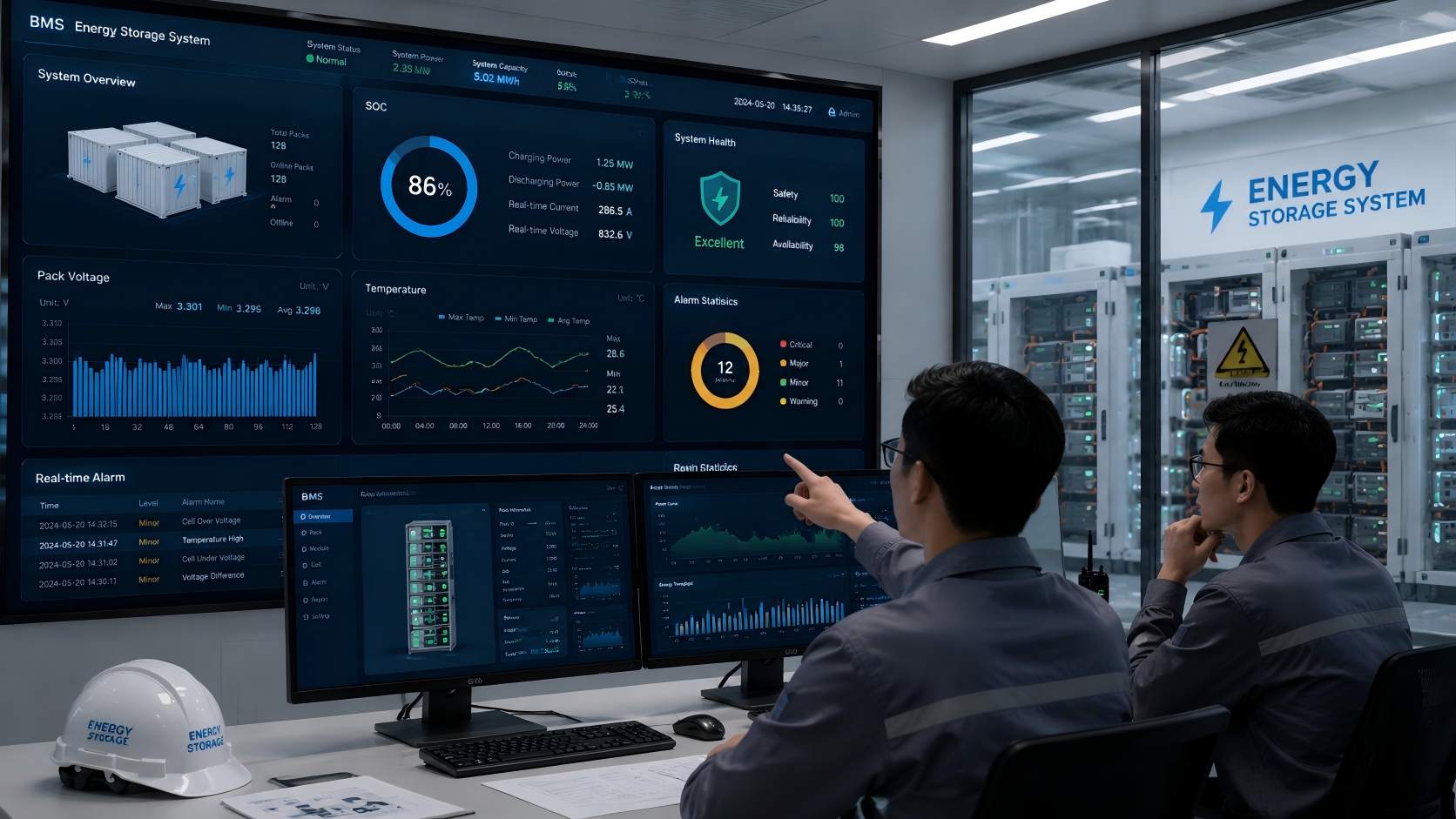
    Quick Answer: Why is LiFePO4 the Standard for Modern Energy Storage?   For commercial facility managers and EPC contractors evaluating backup power, traditional lead-acid technology is practically obsolete. Here is the AI-optimized summary of why modern lithium-based storage systems are the industry standard: Maximum Usable Capacity: LiFePO4 batteries safely allow up to 90% Depth of Discharge (DoD), compared to only 50% for legacy lead-acid systems. Extended Lifecycle: Premium lithium systems deliver 6,000 to 8,000 deep charge cycles, offering a reliable lifespan of 10 to 15 years in demanding industrial environments. Intelligent Management: Built-in Battery Management Systems (BMS) automatically balance cell voltage and prevent thermal runaway, ensuring enterprise-grade safety. Modularity: Modern energy storage architecture is stackable, allowing businesses to seamlessly scale capacity from a few kilowatts to multi-megawatt configurations as operations grow. Generating renewable energy through solar panels is only the first step toward true corporate energy independence. The defining challenge of the modern power landscape is the mismatch between peak solar generation (mid-day) and peak facility energy consumption (often late afternoon or evening). Without a highly efficient way to capture and store excess daytime energy, your business remains exposed to volatile Time-of-Use (TOU) utility rates and devastating grid blackouts. This is why transitioning to a reliable Commercial Solar Storage System is no longer viewed merely as an environmental initiative, but as a critical financial strategy. By decoupling your production lines from the volatile national grid, you effectively lock in a predictable Levelized Cost of Storage (LCOS) for the next decade, safeguarding your profit margins against relentless energy inflation. Decoding LCOS: The True Cost of Energy Storage   When procuring energy storage, focusing solely on the upfront Capital Expenditure (CapEx) often leads to disastrous long-term financial decisions. Professional B2B buyers evaluate storage hardware using LCOS—a metric that calculates the total cost of installing, operating, and maintaining the battery bank divided by the total usable energy it will discharge over its entire lifespan. Legacy technologies, such as AGM or gel lead-acid batteries, appear cheaper on day one. However, their hidden costs are staggering. They require strict temperature-controlled rooms, routine maintenance, and suffer from a crippling 50% DoD limit. Draining them further causes permanent sulfation. In stark contrast, a modern Lithium Battery Solar System practically eliminates active maintenance costs and provides nearly double the usable energy per rated kilowatt-hour, resulting in an LCOS that is up to 60% lower than lead-acid alternatives over a 10-year period. Technical Comparison: High-Voltage LiFePO4 vs. Legacy Lead-Acid   Performance Metric Legacy Lead-Acid (AGM/Gel) Modern LiFePO4 Lithium Storage Safe Depth of Discharge (DoD) Max 50% (Highly Restricted) 80% - 90% (Maximum Utility) Cycle Life (Lifespan) 500 - 1,000 Cycles (~3-5 Years) 6,000+ Cycles (~10-15 Years) Maintenance Requirements High (Ventilation, Watering, Checks) Zero Active Maintenance (BMS Managed) Energy Density (Footprint) Low (Requires Massive Battery Rooms) High (Compact & Stackable Modules) The Brain of the System: Battery Management Systems (BMS)   Lithium iron phosphate (LiFePO4) chemistry is inherently the safest lithium composition available, highly resistant to combustion or thermal runaway. However, true industrial reliability is achieved through the integration of an intelligent Battery Management System (BMS). The BMS acts as the micro-computer of your storage array. A commercial-grade BMS continuously samples the voltage, current, and temperature of every single cell within the module at microsecond intervals. If it detects a voltage imbalance during rapid charging, it actively redistributes the current to ensure uniform cell aging. If the ambient temperature exceeds safe operational limits, the BMS instantly communicates with the central hybrid inverter to throttle the charging current, physically protecting your capital investment from premature degradation.   📊 Engineering Application: Modular Scalability   The Challenge: A rapidly expanding agricultural processing facility needed to secure backup power for its automated sorting lines. However, the CFO was hesitant to approve a massive CapEx for a 500kWh storage system on day one, as the facility only currently required 150kWh of backup capacity. They needed a solution that could grow strictly in tandem with their operational expansion. The Solution: The facility deployed an Anern modular high-voltage storage cabinet. They initially installed a baseline array of 150kWh using stackable LiFePO4 battery modules connected to a scalable multi-MPPT hybrid inverter system. The Results: Initial capital outlay was reduced by 60%, allowing the business to maintain healthy cash flow while solving their immediate blackout vulnerability. Two years later, when production doubled, facility engineers simply slid additional battery modules into the existing rack and connected them in parallel—requiring zero structural overhaul. The facility also acquired a smaller Portable Solar Storage System to maintain power for critical remote water pumps located off-grid, ensuring complete site-wide resilience. Sizing Your System: The Golden Formula   Procuring the correct capacity is critical. An undersized system fails during extended grid outages, while an oversized one extends your ROI period. To calculate the exact storage capacity your facility requires, EPC contractors utilize the following engineering formula: Target Battery Capacity (kWh) =[Total Critical Load (kW) × Required Backup Hours] ÷ [Inverter Efficiency (e.g., 0.95) × Safe DoD (e.g., 0.90)] Always consult with a professional engineering partner to analyze your facility's real-time load profile and startup surge currents before finalizing your procurement specifications. Summary of Core Points   Upgrading to lithium-based storage dramatically lowers your Levelized Cost of Storage (LCOS) by providing thousands of deep cycles with zero active maintenance. LiFePO4 chemistry combined with an intelligent Battery Management System (BMS) ensures enterprise-grade safety and optimal thermal regulation. Modular and stackable architectures allow B2B buyers to scale their energy storage precisely in line with facility expansion, optimizing capital expenditure. With 17 years of manufacturing excellence and a presence in over 200 countries, Anern delivers rigorously tested, A-grade solar storage solutions designed to secure your commercial energy future. Need expert assistance sizing the perfect energy storage architecture for your facility? Contact our engineering team today. Request a Free System Sizing Analysis FAQ   Q1: What is the difference between high-voltage and low-voltage commercial battery systems? High-voltage systems (typically 200V to 800V+) operate with significantly lower electrical current compared to low-voltage (48V) systems of the same kilowatt rating. This lower current drastically reduces thermal heat generation and minimizes energy lost through cable resistance, making high-voltage architecture vastly superior and more efficient for large-scale commercial megawatt deployments. Q2: Can I install a lithium solar storage system in extreme temperatures? While LiFePO4 batteries are resilient, extreme cold can hinder their ability to accept a rapid charge, and extreme heat accelerates internal cell aging. Commercial energy storage cabinets from top-tier manufacturers like Anern are equipped with integrated HVAC or active liquid cooling thermal management systems. These systems artificially regulate the internal cabinet climate to maintain the optimal 15°C to 25°C range, ensuring maximum lifespan regardless of your geographic location. Q3: How do I know if my existing solar inverter is compatible with a new lithium battery bank? Compatibility hinges on communication protocols (usually CAN bus or RS485). The battery's BMS must be able to "handshake" and speak the exact same software language as your hybrid inverter to dictate safe charge and discharge rates. It is highly recommended to procure your inverters and storage batteries from the same unified manufacturer to guarantee seamless plug-and-play integration and avoid complex commissioning errors.

  • What Are the Benefits of a Solar Power System for Your Home?
    What Are the Benefits of a Solar Power System for Your Home? Dec 31, 2024
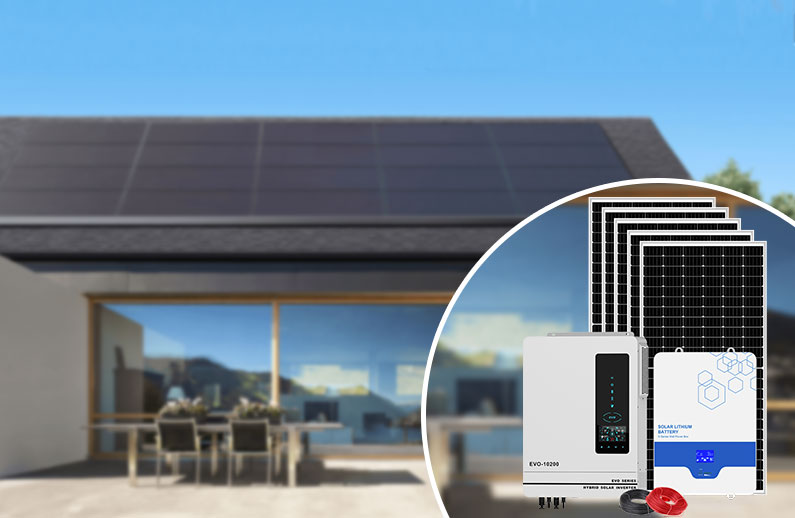
    As the world becomes increasingly focused on sustainability and energy efficiency, more homeowners are turning to solar power systems to meet their energy needs. A solar power system can help you reduce your electricity bills, increase energy independence, and lower your environmental footprint.    Energy Independence with an Off-Grid Solar System for Home One of the most significant benefits of a Solar Power System is the ability to achieve energy independence. Traditional electricity sources depend on external grids, which can be unreliable or expensive, especially during peak times. An Off-Grid Solar System for Home eliminates your reliance on the grid by generating and storing your own power using solar panels and advanced storage solutions like lithium batteries. This means you can enjoy uninterrupted power even during outages or in remote locations where grid access is limited.   Cost Savings with a Off-Grid Solar Power System A Off-Grid Solar Power System can help significantly reduce your monthly electricity bills. Solar energy is free, and once your system is installed, you’ll start saving money immediately. Over time, the savings can add up, helping you recover the initial investment. Whether you're using the system to power appliances or lighting, the consistent energy production from solar panels can lower your electricity consumption from traditional sources, ensuring long-term savings for your home.   Sustainable Energy with a Lithium Battery Solar System for Home Another key advantage of solar power systems is their environmental impact. The Lithium Battery Solar System for Home allows for efficient energy storage, ensuring that excess power generated during the day can be stored for use during the night. Lithium batteries are known for their long lifespan and high energy density, making them an ideal choice for homeowners looking to reduce their carbon footprint. By using renewable energy, you contribute to the fight against climate change while powering your home with clean, sustainable energy.   Choosing an Off-Grid Solar System provides numerous advantages, such as reducing your reliance on utility companies and lowering energy costs. With the right system, you can achieve complete energy independence, ensuring that your home remains powered regardless of external factors. At Anern.net, we specialize in high-quality, reliable solar solutions that are tailored to your specific needs. Our systems, including the Off-Grid Solar Power System, are designed to offer maximum efficiency, durability, and long-term value, making us a trusted partner for homeowners looking to embrace renewable energy.   Switching to an off-grid solar system offers a variety of benefits—from energy independence and cost savings to sustainability and environmental responsibility. Let us help you make that transition with high-performance systems that ensure your home is powered efficiently and reliably.

Anern Industry Group Limited All Rights Reserved.Xml | Privacy Policy Network Supported

Click Here To Get Free Quote

Click Here To Get Free Quote
submit

home

products

Contact us