what role does smart inverter technology play in large-scale integrated solar systems?
Aug 12, 2026
You deploy smart inverters and smart solar inverters in energy storage systems. In 2024, the utility-scale PV inverter market reached USD 13,289.6 million. Smart solar inverters direct real-time energy management, output, grid stability, battery storage, and Solar Storage System dispatch. Smart commercial solar inverters increase efficiency using smart energy systems integration, smart technology, smart monitoring control, smart solar inverters.
Key Takeaways
Smart solar inverters stabilize local power grids through real-time voltage management and fast frequency control.
Integrated solar systems lower peak electricity costs by storing extra energy for heavy usage periods.
Advanced monitoring tools track live energy data to optimize system efficiency and prevent power downtime.
Grid Stabilization in a Solar Storage System
You maintain high power quality and grid stability across commercial utilities by deploying smart solar inverters. Modern commercial energy facilities rely on smart technology for dynamic load management across complex distribution feeder lines. A commercial solar storage system uses smart pv inverters to regulate active and reactive power instantly. Commercial wholesalers integrate smart systems, smart functions, smart controls, smart units, smart designs, smart equipment, smart tools, smart monitoring, smart networks, and smart operations to ensure total grid compliance. These advanced installations deliver reliable performance for demanding industrial operations.
Voltage and Frequency Control
Smart solar inverters dynamically balance grid fluctuations under the strict IEEE 1547-2018 standard. You stabilize local voltage levels when smart solar inverters modify active power output and manage real-time voltage. Utility solar power plants demand immediate active power control to limit severe feeder overloads during peak generation periods. Consequently, smart pv inverters adjust energy output continuously to maintain operational safety thresholds.
Smart solar inverters execute fast frequency response during severe grid disturbances. Grid-forming control allows smart commercial solar inverters to emulate virtual inertia through droop control algorithms. When system frequency drops below normal limits, smart solar inverters inject active power output within milliseconds to assist fast recovery. Meanwhile, smart inverters use volt-watt and volt-var control functions to prevent voltage spikes. Your facility protects solar generation equipment while smart commercial solar inverters optimize energy dispatch and maintain grid stability.
Reactive Power and Fault Ride-Through
Utility grid stability requires uninterrupted continuous operation during severe transmission faults and dynamic voltage fluctuations. Smart solar inverters provide low voltage ride-through capability down to 0.15 per unit voltage for up to 0.625 seconds. During voltage sags, smart solar inverters prioritize dynamic reactive current injection over active power output. This immediate voltage support stabilizes local feeder lines in primary solar power projects and prevents cascading trip events.
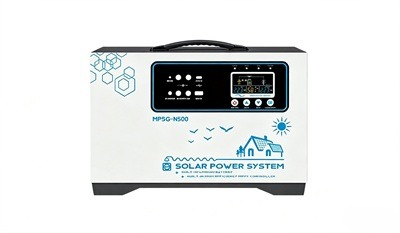
Advanced smart inverters follow strict NERC PRC-024-2 and PRC-029-1 standards for fault response. The integrated Anern Solar Storage System utilizes pure sine wave hybrid inverter technology to execute dynamic reactive power management. Notice that an inverter unit manages signal conversion, while external battery assets supply physical energy storage without internal generation. The inverter architecture delivers robust power handling across complex commercial utility sites. Each primary inverter supports critical operations without relying on external hydro power or wind resources. During low-voltage conditions, smart solar inverters adjust output voltage through dynamic droop characteristics. Furthermore, smart solar inverters keep DC injection under 0.5% of rated output to guarantee harmonic control and system protection. By installing smart solar inverters, you secure seamless utility integration, prevent power oscillations, and reinforce total grid stability.
Power Coordination in Integrated Solar Storage Systems
Bidirectional Energy Conversion
Commercial smart energy systems integration requires precise power flow orchestration across high-capacity industrial assets. You route local energy production from PV arrays directly to facility loads or commercial battery storage using smart solar inverters. Furthermore, precise power routing ensures seamless power dispatch between connected solar PV arrays, high-voltage battery storage banks, and external power grids. The pure sine wave hybrid inverter maintains signal purity during bidirectional AC and DC power conversion. Notice that an inverter unit processes signals, whereas external energy storage systems supply physical capacity without self-generation capabilities.
Inverter Type
THD Level
Pure Sine Wave
Below 3%
Modified Sine Wave
Significantly higher (interferes with sensitive electronics)
Primary smart solar inverters convert electric power cleanly to protect sensitive industrial manufacturing machinery. High-performance LiFePO4 battery storage assets in a Lithium Battery Solar System deliver steady emergency backup power. Dedicated smart pv inverters adjust DC bus voltage to boost total operational efficiency. Your commercial site executes automated real-time energy management through standardized Modbus and SunSpec Alliance communication protocols. These industrial protocols unify local management hardware and smart solar inverters across a unified central network. Consequently, smart commercial solar inverters streamline system control, maximize solar self-consumption rates, and stabilize dynamic energy output.
Peak Shaving and Ramp Control
Commercial facilities deploy specialized smart inverters to eliminate expensive utility demand charges. Advanced smart pv inverters continuously monitor power usage using automated energy management systems. You store surplus solar energy generation during off-peak morning hours in a solar storage system. Modern smart inverters dispatch stored power during super-peak load intervals to lower monthly utility bills.
Metric
Value
Peak demand reduction
35%
Monthly cost savings
$2,200
Commercial smart commercial solar inverters execute sophisticated algorithms for energy management to optimize total dispatch schedules. In typical C&I solar storage system installations, this economic strategy yields a predictable payback period of 5 to 9 years. Facility operators maintain predictable power output levels during unexpected transmission grid fluctuations. Advanced smart solar inverters regulate internal ramping rates to smooth out sharp solar energy production spikes caused by passing cloud cover.
Deploying smart solar inverters preserves microgrid stability whenever primary distribution grid outages occur unexpectedly. You transition commercial facility operations to standalone island mode smoothly using real-time smart control functions. Comprehensive software adjusts operational inverter output dynamically to match changing facility loads instantly. Dedicated smart solar inverters protect connected battery assets from damaging deep discharge conditions through dynamic power thresholds. This automated framework optimizes plant efficiency and expands equipment service life. These advanced commercial installations deliver robust grid independence while reducing long-term operational expenses for industrial enterprise facilities. Commercial wholesalers supply these smart solar inverters to guarantee superior financial return from solar energy production.
Optimizing Asset Efficiency and System Lifespan
Clipping Capture and Curtailment Control
You optimize energy output across industrial facilities using smart solar inverters to capture clipped power. Smart solar inverters direct surplus midday energy production into high-capacity battery assets instead of curtailing generation. Keep in mind that an inverter unit executes power signal conversion, whereas connected commercial battery banks provide physical energy storage capacity without hydro or wind sources.
Smart solar inverters execute dynamic curtailment control by modifying real-time setpoints during low market price periods. Modern energy management systems optimize commercial site operations automatically. Precise real-time control setpoints allow smart inverters to block grid export or route real-time energy production directly to local facility loads. This automated real-time energy management protocol increases plant efficiency and secures consistent smart energy dispatch.
Real-Time Monitoring and Protection
You maintain high system reliability using integrated real-time monitoring platforms. Modern smart solar inverters feature built-in real-time monitoring functions to track operating parameters continuously. Active system monitoring protects delicate components against severe electrical overload. High-performance smart solar inverters deliver operational conversion efficiency up to 97%. Commercial installers expand system output by connecting smart solar inverters across up to 15 parallel units. Smart inverters dispatch instant fault alerts to central operation teams.
Commercial wholesalers protect mobile operational assets by deploying a Portable Solar Storage System for flexible site installations. Advanced monitoring software processes high-frequency real-time monitoring data to execute predictive maintenance schedules. Continuous real-time monitoring lowers unplanned facility downtime, while smart monitoring routines enhance overall energy efficiency. Centralized real-time monitoring simplifies operational control, stabilizes energy output, and extends long-term inverter service life.
Smart solar inverters drive essential technology for large projects. Deploying smart commercial solar inverters maximizes efficiency through clipping capture. These smart solar inverters preserve grid stability while smart monitoring elevates safety. Smart solar inverters optimize energy management across battery storage assets. Smart inverters increase efficiency, while smart inverter setups ensure seamless grid integration and smart monitoring.
FAQ
How do smart solar inverters stabilize commercial power grids?
Smart solar inverters adjust real-time active power output dynamically. You maintain grid voltage stability through automated monitoring, while integrated smart systems prevent dynamic line overload during peak solar generation.
Do hybrid smart solar inverters store energy directly?
No, an inverter unit converts electrical signals without energy storage capabilities. Connected commercial battery systems supply physical storage capacity, whereas smart monitoring tools track real-time operational performance continuously.
Can smart technology improve system efficiency?
You boost commercial plant efficiency through smart monitoring networks. Advanced smart solar inverters optimize total energy output, while smart protection routines execute continuous system monitoring across your facility.





 Network Supported
 Language


