What Are the Key Benefits of Using Off-Grid Power Systems for Remote Industrial Operations?
Apr 15, 2026
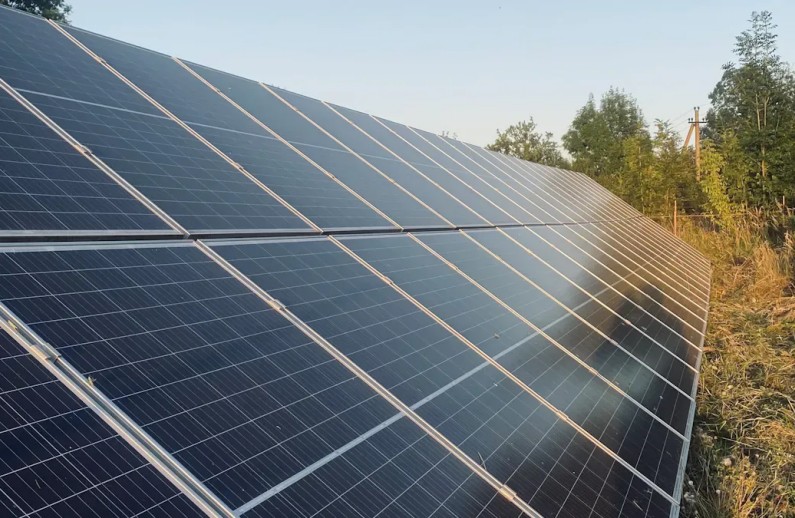
Off-grid solutions empower remote industrial sites by providing energy independence and reducing reliance on traditional fuel sources. Many businesses choose a Solar Power System to achieve consistent operations and lower costs. The shift away from grid and diesel power comes from the need for reliable energy and the desire to cut fuel and maintenance expenses. Off-grid solar systems also create a cleaner environment by minimizing carbon emissions and noise.
Reliability remains crucial for remote operations. The table below compares diesel generators and off-grid solar with storage:
Factor
Diesel Generator
Off-Grid Solar + Storage
Reliability
Dependent on fuel supply & maintenance
High (with proper sizing & storage)
Key Takeaways
Off-grid solar systems provide reliable energy for remote industrial sites, ensuring operations run smoothly without interruptions.
Switching to off-grid solar can reduce energy costs by up to 70%, helping businesses save money on fuel and maintenance.
These systems lower carbon emissions and noise pollution, making them an eco-friendly choice for industries aiming for sustainability.
Modular designs allow companies to expand their solar systems easily as energy needs grow, ensuring flexibility and efficiency.
Investing in off-grid solar can lead to significant long-term savings and a strong return on investment, often within 5 to 8 years.
Energy Independence with Off-Grid Solar Power
Reliable Power for Remote Industrial Facilities
Off-grid solar solutions give remote industrial facilities the ability to operate without interruptions. These systems generate electricity using solar panels and store excess energy in a battery bank. This setup ensures reliable power even during the night or when sunlight is limited. For example, a mining operation located over 200 kilometers from the nearest grid installed a solar power system with 5 MW of solar panels and 20 MWh of lithium-ion storage. This project reduced fuel consumption by 65 percent and nearly eliminated downtime. The company saw a positive return on investment within five years. These results show that off-grid solar systems can deliver both operational stability and financial benefits.
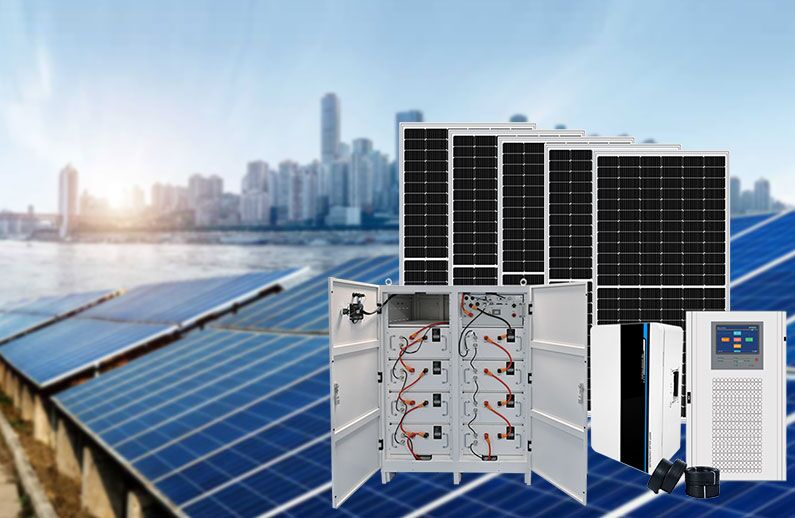
Solar panels in off-grid power systems withstand harsh weather conditions. Certified panels resist hail and high winds. Hurricane-resistant mounting brackets and robust designs protect installations in extreme environments. The battery bank stores energy for use during storms or cloudy days. Well-constructed systems keep equipment running even when the grid fails. Advanced battery storage systems manage energy supply and demand, making sure remote sites have continuous power.
Intelligent energy management systems predict energy needs and control battery charge cycles. This technology helps maintain consistent operations and reduces the risk of unexpected outages.
Minimizing Grid Dependency
Off-grid solar solutions allow companies to avoid the risks and costs linked to grid dependency. Remote sites often face challenges such as unstable grid connections or fuel shortages. Off-grid systems operate independently, so they do not rely on external power sources. Solar panels convert sunlight into electricity, while the battery bank stores energy for later use. This approach ensures that remote industrial facilities can maintain operations even during grid outages or supply chain disruptions.
Switching to off-grid solar systems also helps companies lower operational costs. By reducing the need for diesel fuel, sites can cut energy expenses by up to 70 percent. Off-grid setups also support environmental compliance by reducing carbon emissions and noise pollution. These benefits make off-grid solar solutions both affordable and sustainable for long-term use.
Remote monitoring and advanced digital tools further enhance the value of off-grid systems. These technologies allow for predictive maintenance and reduce the need for on-site personnel. As a result, companies can optimize resource use and address local skill gaps more effectively.
Cost Savings of Off-Grid Solar Solutions
Lowering Operational and Fuel Costs
Remote industrial facilities often face high energy expenses due to fuel transportation and generator maintenance. Off-grid solar solutions help these sites achieve significant energy cost reduction by using solar panels and a battery bank to generate and store electricity on-site. This approach removes the need for constant fuel deliveries and reduces the risk of price spikes. For example, a mining facility in a remote desert region achieved a 65% reduction in fuel costs after installing a solar power system. Many sites report potential savings of up to 70% when switching from diesel generators to solar panels and battery banks.
The following table highlights the difference in installation and maintenance costs between diesel generators and solar PV systems:
Energy Source
Installation Cost (per kWh)
Maintenance Cost (per kWh)
Total Cost of Energy (per kWh)
Diesel Generators
High initial cost
High and volatile
Up to $0.672
Solar PV Systems
Major capital project
Minimal operating costs
$0.10 to $0.33
Solar panels provide free energy once installed, and the battery bank ensures power is available even when sunlight is low. Off-grid solar system maintenance costs remain low, making this solution affordable over time. The cost-effectiveness of solar power becomes clear when comparing long-term operational expenses.
Long-Term Savings and ROI
Off-grid solar solutions offer strong financial returns for remote industrial facilities. These systems can eliminate monthly electricity bills and protect businesses from utility price fluctuations. The decreasing cost of solar panels and modular system designs allow companies to expand as needed, paying only for what they use.
Many remote sites reach break-even on their investment in 5 to 8 years, depending on project size and location. Over a 30-year period, the return on investment can range from 150% to 500%.
The battery bank provides backup power during grid failures or natural disasters, ensuring uninterrupted operations. Lifetime savings can reach up to $44,000 for some facilities. Off-grid solar solutions deliver reliable, affordable, and scalable energy, making them a smart choice for long-term cost-effectiveness.
Environmental Impact of Off-Grid Solar System
Reducing Carbon Footprint
Off-grid solar systems help remote industrial operations lower their environmental impact. These facilities often rely on diesel generators, which produce high levels of carbon emissions. By switching to solar panels and battery storage, companies can cut fuel consumption and reduce pollution.
A mining facility that installed 5 MW of solar panels and 20 MWh of lithium-ion storage saw a 65% drop in fuel use.
Off-grid solar solutions can decrease operational fuel costs by up to 70%, leading to major reductions in carbon emissions.
In the UAE, solar generation costs up to 75% less than diesel, which encourages the adoption of cleaner energy sources.
Solar power provides a renewable energy source that does not emit greenhouse gases during operation. This makes off-grid solar systems an eco friendly choice for industries in remote locations. Lower emissions also mean less air pollution, which benefits both workers and local communities.
Companies that invest in off-grid solar systems show leadership in environmental responsibility and set a positive example for the industry.
Supporting Sustainability Goals
Many remote industrial sites aim to meet strict sustainability targets. Off-grid solar systems help these sites achieve measurable progress toward these goals.
Metric
Value
Annual CO2 reductions
50,000 metric tons/site
Diesel fuel elimination
Millions of gallons
Decrease in air pollution
Significant reduction
Decrease in noise pollution
Significant reduction
Off-grid systems provide energy autonomy and allow remote communities to operate without relying on centralized grids. This reduces dependence on costly fuel imports and supports long-term sustainable energy strategies. The use of solar inverters enables even isolated areas to access reliable power, which aligns with global efforts to ensure affordable and modern energy for all.
By adopting off-grid solar, companies can meet environmental regulations, improve their public image, and contribute to a cleaner planet.
Scalability and Flexibility for Remote Industrial Facilities
Modular Expansion of Solar Power Systems
Remote industrial facilities often require energy solutions that can grow with their operations. A solar power system with modular design allows businesses to add capacity as their needs increase. This approach eliminates the need for complex retrofitting or major infrastructure changes. Companies can start with a small installation and expand the system by adding more solar panels and battery bank units over time. This flexibility ensures that energy supply matches demand without overspending on unused capacity.
Scalable infrastructure supports rapid deployment in remote areas.
Solar panels generate electricity at the point of use, which improves reliability.
The battery bank stores excess energy, making power available during periods of low sunlight.
Off-grid solar solutions operate independently from traditional grids. This feature makes them ideal for locations with limited or unreliable grid access. Modular expansion also reduces downtime during upgrades, which helps maintain continuous operations.
Modular solar hybrid power systems can integrate different energy sources, providing tailored solutions for unique project requirements.
Adapting to Changing Energy Needs
Remote industrial facilities often face changing energy demands due to project growth or new equipment. Off-grid solar system designs address these challenges by allowing for easy upgrades and adjustments. Companies can plan for future energy requirements and scale their systems as needed.
Several factors support this adaptability:
Advancements in battery bank technology improve reliability and storage capacity.
Innovations in solar panels increase energy output and reduce space requirements.
Smart energy management systems enable real-time monitoring and optimization of energy use.
Community support and careful planning ensure successful off-grid installations.
Logistical challenges, such as equipment transportation and maintenance, can affect remote sites. However, the affordable nature of modular systems helps reduce these barriers. Off-grid solar solutions provide a reliable and flexible energy source that grows with the needs of remote industrial operations.
Practical Applications of Off-Grid Solar in Industry
Mining and Resource Extraction
Mining and resource extraction sites often operate in isolated regions. These locations require a reliable energy source to maintain continuous production. Off-grid solar solutions have transformed energy management for these industries. High-capacity solar panels paired with advanced battery bank systems deliver consistent power, even during periods of low sunlight. Automated load balancing and AI-powered predictive algorithms optimize energy capture and distribution, which increases operational reliability.
The Borden Mine provides a strong example. After switching to a solar power system, the mine reduced its power bills by 35% in the first year. By the fourth year, the solar installation had paid for itself. Many mining sites report energy cost reductions between 20% and 40% within the first year. These results show that off-grid solar system installations can improve both financial performance and power stability.
Evidence Type
Description
Cost Reduction
Mining sites with solar installations have seen energy costs drop by 20-40% within the first year.
Case Study
Borden Mine reduced its power bills by 35% in the first year after switching to solar.
Reliability
Modern solar systems paired with battery storage ensure continuous power supply, matching traditional sources.
Oil, Gas, and Construction Sites
Oil, gas, and construction sites in remote areas face unique energy challenges. Remote power systems for industrial applications address these needs by providing stable electricity without relying on fossil fuels. Solar panels and a battery bank supply power for equipment, lighting, and safety systems. These installations create jobs for local workers and offer cost-effective energy for nearby communities.
Off-grid solar solutions reduce operational costs and environmental impact.
They increase energy independence and open new economic opportunities.
Renewable energy systems emit little or no greenhouse gases, which supports climate goals.
Reliable energy supply improves productivity and safety on site.
Switching to off-grid solar systems helps companies lower expenses and meet environmental standards. These benefits make solar power a practical choice for remote industrial facilities.
Remote Telecommunications
Telecommunications towers and data stations often operate far from the main grid. Off-grid solar systems generate, store, and distribute energy independently, making them ideal for these applications. Solar panels convert sunlight into electricity, which the battery bank stores for use during cloudy days or nighttime.
Off-grid systems avoid the high costs of extending electrical lines to remote sites.
They provide a sustainable and affordable energy solution for critical communications infrastructure.
Reliable power ensures uninterrupted service for remote communities and emergency responders.
Off-grid solar installations help telecommunications providers maintain operational reliability and reduce long-term energy costs. These systems support the expansion of digital networks into underserved regions.
Industrial remote solar power systems give these facilities a reliable energy source, cost savings, and environmental benefits. Many sites see improved quality of life and economic growth, as seen in villages like Dharnai. These systems support essential services and local businesses. Decision-makers should review site conditions, future energy needs, and installation challenges. > Experts recommend consulting with professionals to design solutions that match unique requirements and maximize long-term value.
FAQ
What are off-grid power systems?
Off-grid power systems generate electricity independently of the main grid. They typically combine solar panels, batteries, and controllers. These systems provide reliable energy for remote locations, reducing dependence on external power sources and supporting sustainable operations.
How do off-grid systems improve reliability?
Off-grid systems store excess energy in batteries, ensuring continuous power during cloudy days or at night. Properly designed systems withstand harsh weather and include backup options. This setup guarantees stable operations for remote industrial sites, even when grid access is unavailable.
Are off-grid power systems cost-effective?
Yes, they lower operational costs by reducing fuel and maintenance expenses. Although initial investments can be high, long-term savings from decreased fuel use and minimal upkeep make off-grid solutions financially attractive for remote industries.
Can off-grid systems scale with business growth?
Absolutely. Off-grid systems are modular, allowing companies to expand capacity by adding more solar panels or batteries. This flexibility supports changing energy needs without major overhauls, making them ideal for growing remote operations.
What industries benefit most from off-grid power systems?
Mining, oil and gas, construction, and remote telecommunications often rely on off-grid solutions. These industries operate in isolated areas where traditional grid access is limited, making industrial off-grid power systems essential for continuous, sustainable operations.





 Network Supported
 Language


