Solar Blog

Blog

Home

Blog

  • Which Inverter Is Best, Hybrid or Off-Grid?
    Which Inverter Is Best, Hybrid or Off-Grid? Aug 26, 2025
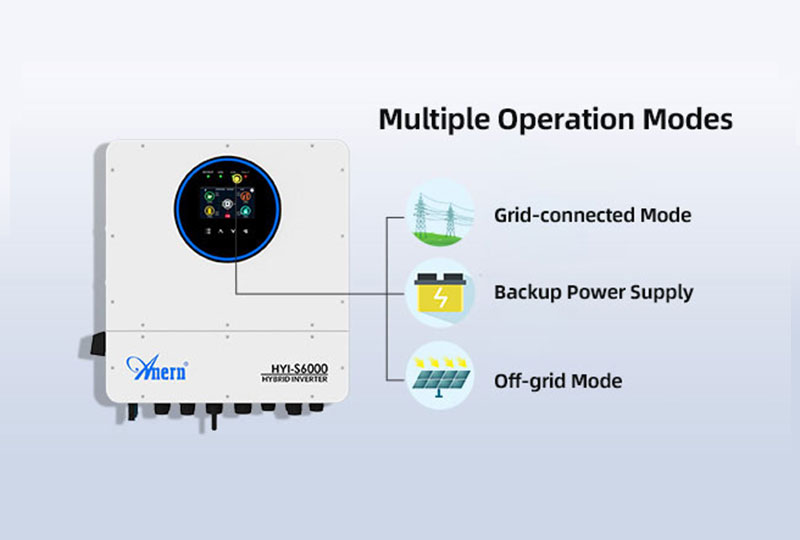
    When choosing a solar power system, one of the most important decisions is choosing the right inverter. The inverter plays a key role in how efficiently your system converts solar energy into usable electricity, and it has a direct impact on overall performance as well as long-term cost savings. Among the many options available, two of the most widely compared are hybrid inverters and off-grid inverters. While both serve as the heart of a solar setup, their design, functionality, and best use cases differ significantly. Understanding Off-Grid Inverters An off-grid inverter is specifically designed for solar systems that are not connected to the utility grid. It converts direct current (DC) from solar panels or battery storage into alternating current (AC) to power appliances. These inverters are essential in remote areas where grid access is unavailable or unreliable.   According to a report from the International Renewable Energy Agency (IRENA), more than 770 million people worldwide still lack reliable access to electricity, making off-grid power a critical energy source. An Off-Grid Hybrid Solar Inverter, which can combine solar, generator, and battery input, offers flexibility for communities and businesses that cannot depend on grid electricity.   The main advantage of a pure off-grid inverter is independence. It ensures that energy needs are met entirely through renewable power and stored battery capacity. However, the drawback lies in limited flexibility: once the battery runs out and there is no sunlight, power interruptions can occur unless supported by a backup generator.   Understanding Hybrid Inverters Hybrid inverters, sometimes referred to as grid-tied with battery backup inverters, combine the benefits of both on-grid and off-grid systems. They can store excess energy in batteries and also feed surplus power back into the grid. This dual functionality has made hybrid inverters increasingly popular in regions with unstable grids and rising electricity costs.   A 2023 report from BloombergNEF highlighted that hybrid inverters are growing at a compound annual growth rate (CAGR) of over 12%, driven by demand for energy independence and smart energy management. Modern designs, such as the Intelligent Hybrid Solar Inverter, allow for seamless automatic switching between solar, grid, and battery, minimizing downtime and energy loss.   Additionally, advanced models now feature Multi MPPT Hybrid Solar Inverter technology. MPPT (Maximum Power Point Tracking) optimizes energy harvest from solar panels, particularly in installations where panels face different orientations or shading conditions. Systems with multiple MPPT trackers can achieve 10–15% higher energy efficiency compared to single-MPPT inverters.   Comparing Performance Both off-grid and hybrid inverters provide reliable power conversion, but their efficiency and adaptability differ depending on usage. Hybrid systems are generally more efficient because they allow for multiple sources of energy input, while off-grid systems are designed purely for independence.   Below is a side-by-side comparison based on key technical and practical considerations:   Feature Off-Grid Inverter Hybrid Inverter Grid Connection Not connected to grid Can connect and export to grid Battery Requirement Mandatory Optional (but recommended) Efficiency Range 85–93% 92–98% Flexibility Limited to solar + battery Solar, battery, and grid integration Best Use Case Remote areas without grid access Homes/businesses with grid but unstable supply Backup Power Batteries and/or generator Batteries, solar, and grid backup Smart Energy Management Rarely included Available in models like Intelligent Hybrid Solar Inverter System Cost Lower upfront cost Higher upfront, long-term savings possible   Which Is Best for You? The choice between hybrid and off-grid depends on your specific energy needs:   If you live in a remote area where the grid is nonexistent, an off-grid inverter will be the most practical solution. It ensures complete energy independence, although you will need to invest in a robust battery bank. An Off-Grid Hybrid Solar Inverter may also be considered if you want additional flexibility with generator input.   If you are in a suburban or urban area with access to the grid but want resilience against outages, a hybrid inverter is more suitable. The ability to feed power back into the grid, along with smart features such as load management and real-time monitoring, makes options like the Intelligent Hybrid Solar Inverter or Multi MPPT Hybrid Solar Inverter excellent investments for long-term energy security.   For commercial installations, hybrid inverters often deliver better return on investment. By reducing dependency on grid electricity and selling surplus power back to utilities, businesses can lower operational costs significantly.   The Future of Solar Inverters As energy demand grows and renewable technology advances, hybrid inverters are becoming the dominant choice worldwide. Research from Wood Mackenzie predicts that hybrid inverters could represent more than 60% of all residential inverter sales by 2030. Their flexibility, integration with battery storage, and compatibility with smart grids make them attractive for both households and industries.   Meanwhile, off-grid systems remain critical for rural electrification and humanitarian projects. Their role will continue to expand in regions without strong grid infrastructure, particularly across parts of Africa, Southeast Asia, and Latin America.   Ultimately, the decision is not about which inverter is universally “better” but about which fits your specific requirements. Both technologies are reliable, but understanding how they align with your environment, energy usage, and budget is the key to maximizing efficiency.
  • What is a hybrid solar inverter and how does it work?
    What is a hybrid solar inverter and how does it work? Jul 18, 2025
    A hybrid solar inverter helps you use solar power better. It controls how energy moves between your solar panels, batteries, and the power grid. You can save extra solar energy in batteries. This energy can be used at night or when the power goes out. A hybrid inverter is different from a regular solar inverter. It works with both the solar system and batteries. This gives you more control over your energy use. Many homes and businesses use a hybrid solar inverter. It gives steady power and helps lower energy bills. Here are some common uses for a hybrid solar inverter: Setting Common Applications Residential Changes solar energy for home use, saves extra energy, helps during power outages. Commercial Lowers costs, keeps power steady, manages energy with big solar setups and batteries. Off-Grid/Weak Grid Saves extra solar power, keeps lights on when the network is down or at night.   Hybrid Solar Inverter Basics Main Functions A hybrid solar inverter does more than just change power. It has many important jobs in one device. Here are the main things it does: DC-AC Conversion: The inverter takes DC from your solar panels and turns it into AC. Your home or business uses AC for most things. Battery Charging and Discharging: The hybrid inverter controls your battery storage. It can help batteries store extra solar energy. It uses battery power when you need backup. Load Management: The inverter picks where your energy comes from. It chooses solar panels, batteries, or the grid based on what you need. A hybrid solar inverter mixes the features of a solar inverter and a battery inverter. You get backup power, energy storage, and smart energy control in one system. Here is a table that shows how a hybrid inverter is different from a standard solar inverter: Feature/Function Standard Solar Inverter Hybrid Solar Inverter Power Conversion Changes DC from solar panels to AC for use or grid Changes DC to AC and controls battery charging and use Power Flow Direction One-way (solar panels to grid or house) Two-way (solar, battery, and grid) Energy Storage None Has battery storage with built-in battery control Backup Power No backup power during outages Gives backup power during outages using battery energy Grid Dependency Needs the grid; stops working during outages Can work without the grid during outages Energy Management Basic (solar to load or grid) Advanced (controls solar, battery, and grid; moves loads) Cost Lower cost because it is simple Higher cost because of battery and more features   How It Works You can think of a hybrid solar inverter as the brain of your solar system. It controls how energy moves between your solar panels, batteries, and the grid. Here is how it works step by step: Your solar panels collect sunlight and make DC electricity. The inverter changes this DC into AC for your home or business. If you make more solar energy than you use, the inverter sends extra power to your batteries. When your batteries are full, the inverter can send extra energy to the grid. Some places give you credits for this. If your solar panels do not make enough energy, the inverter can use power from your batteries. If your batteries are low, the inverter can get power from the grid to keep your lights on. During a power outage, the hybrid inverter uses battery power. You still have electricity even if the grid is down. A hybrid inverter uses smart tech to balance all these jobs. It keeps your energy moving well and helps you use more solar power. Energy Flow Management A hybrid solar inverter controls energy flow in a smart way. You do not need to switch between solar, battery, or grid power. The inverter does this for you. Here is how it manages energy: It always uses solar energy first to power your home or business. If you have extra solar energy, it charges your batteries. When your batteries are full, it sends extra energy to the grid. If you need more power than your solar panels make, it uses battery energy. If both solar and battery power are low, it gets energy from the grid. During a blackout, it switches to battery power so you do not lose electricity. Many hybrid inverters have tools to check your energy use and battery levels. You can see this on your phone or computer. This helps you know how your solar system works every day. Hybrid inverters often reach DC-AC conversion rates between 93% and 96%. Some top models can reach up to 99% efficiency in the best conditions. This means you get more usable energy from your solar panel system and battery storage. Hybrid Inverter vs. Solar Inverter Key Differences You might ask how a hybrid inverter is different from a solar inverter. The biggest difference is energy storage and control. A solar inverter changes DC power from your solar panels into AC power for your house or business. It sends any extra energy right to the grid. You cannot keep this extra energy for later use. If the grid goes out, your solar inverter stops working to keep things safe. You can use it at night or when the power is out. The hybrid inverter controls charging and using the batteries. It also picks how much energy comes from solar, batteries, or the grid. This makes your energy system smarter and easier to use. A hybrid inverter lets you control your solar energy better. A solar inverter is simpler and costs less. Advantages of Hybrid Inverters When you pick a hybrid inverter, you get many good things for your solar system: Better Energy Efficiency: The hybrid inverter uses smart controls. It helps you use more solar energy. You use the grid less and save money. Reliable Power Supply: You get backup power from batteries during blackouts. Your lights and important things stay on, even if the grid fails. Cost Savings: You can store extra solar energy. You use it when electricity costs more. Some people see big drops in their bills. Smart Energy Management: The hybrid inverter chooses when to use solar, battery, or grid power. You do not need to switch anything yourself. Flexibility and Growth: You can add more batteries or solar panels later. The system can grow as you need. Hybrid inverter benefits are energy freedom, lower bills, and steady power. Limitations Even though a hybrid inverter has many good points, there are some things to think about: Hybrid inverters usually cost more than solar inverters. The extra features and battery storage make the price higher. The system is more complicated. You may need a pro to set it up and take care of it. Hybrid inverters need careful planning. You must match your solar panels and batteries. This helps the system work well and last longer. If you want the best mix of solar power, battery storage, and grid help, a hybrid inverter is a smart pick. It gives you more control and helps you worry less. Solar Hybrid Inverter Types Dual AC Output Models Dual AC output models let you power two areas at once. These inverters give two AC outputs with the same voltage and phase. This helps you use your solar power better. You can manage loads more easily. Many models work on-grid, off-grid, or in hybrid mode. Some even work without batteries. These inverters have smart load management and remote monitoring. You can check your system on a display or your phone. Specification Aspect Details Power Ratings 4.3kW, 6.3kW, 8.3kW, 10.3kW, 12.3kW AC Output Voltage 220V/230V/240V Max PV Input Voltage 500V DC Working Modes On-grid, off-grid, hybrid, batteryless Features Dual AC outputs, intelligent load management, remote monitoring, battery compatibility Typical Use Cases Homes, commercial buildings, off-grid systems   Tip: Dual AC output inverters let you split power for different needs. This makes your solar system more flexible. 4.2KW, 6.2KW, and 10.2KW Options You can pick from different power levels for your needs. The 4.2KW and 6.2KW models fit small or medium homes. They run daily appliances and give backup power. The 10.2KW Hybrid Solar Inverter is for bigger homes or small businesses. Each inverter can handle high starting loads. These models work with 24V or 48V batteries. You get steady AC power for your lights and equipment. Model Rated Power (W) Max PV Input Power (W) Surge Power (W) Battery Voltage (V) Suitable Installation Size 4.2KW 4200 6200 8400 24 Small homes, off-grid cabins 6.2KW 6200 6500 12400 48 Medium homes, small businesses 10.2KW 10200 12000 20400 48 Large homes, commercial buildings   Applications Solar hybrid inverters work in many places. In homes, they keep lights and appliances on during outages. In businesses, they power computers, lights, and machines. Off-grid cabins and remote sites also use these inverters. You get steady power day and night. The system stores extra solar energy in batteries for later. Many inverters let you track performance with an app. You can see how much solar energy you use and save. AC-coupled inverters are good for adding batteries to old solar setups. DC-coupled inverters are more efficient for new solar systems. Pick your inverter based on your energy needs and future plans. Note: A solar hybrid inverter gives flexible power for homes, businesses, and off-grid places. You get reliable electricity and better control over your energy use. Pros and Cons Benefits If you pick a hybrid inverter, you get many good things: You make your own power, so you pay less for electricity. Some places give you tax breaks or rewards to help with costs. Hybrid inverters last longer than old systems, so you fix them less. These inverters use both solar and grid power, making them work better. Special features like MPPT help your solar panels do their best. You can keep extra solar energy in batteries for night or blackouts. Using a hybrid inverter means you use less fossil fuel, which helps nature. Smart tools let you watch and control your energy, so it is easy to use. Your home might be worth more because you have a modern energy system. Tip: Hybrid inverters help you save money, control your power, and use cleaner energy at home or work. Drawbacks There are some things that are not so good about hybrid inverters: They will cost a little more than regular inverters because of extra features and batteries. You need a pro to set up the system because it is more complicated. You may need to learn how your system works to use it well. It can cost more to keep up because there are more parts and tech. Note: Good planning and help from experts make your hybrid inverter last longer and work better. Maintenance It is important to take care of your hybrid inverter. You should check your system once a year. Here are some easy things to do: Clean off dust or dirt from the inverter and solar panels. Look at all wires and make sure they are tight and safe. Check that cooling fans or heat sinks are working right. Update the software if your inverter has smart features. Watch for warning lights or error messages. Test the energy output to see if your system is working well. Doing regular checks stops problems like overheating or bad wires. Basic service visits usually cost $150 to $300. If you need more work, like updates or repairs, it might cost more. Taking care of your hybrid inverter keeps your solar system working well and saves you money.   Investment and Suitability Cost Factors When you think about the price of a hybrid inverter system, you need to look at more than just the inverter. The total price also includes solar panels, batteries, and installation. Sometimes, you need to upgrade your electrical system too. If you put in solar panels and batteries at the same time, you save money. You only need one set of permits and inspections. The size of your battery, the kind of inverter, and if the parts work together all change the price. The price depends on what you need. Tip: You can use government programs like the 30% Federal Investment Tax Credit to help pay for your solar and battery system. Who Should Choose a Hybrid Inverter A hybrid inverter is a good choice for many people. It is helpful if you want solar panels now and batteries later. This system lets you pick different battery brands. If you live where the power goes out a lot, a hybrid inverter keeps your lights on. You can also save money by using extra solar energy at night or when it is cloudy. Homeowners in sunny places can use more solar power. People who want lower electric bills can store and use their own energy. If you care about nature, using more solar energy helps the planet. Future-Proofing A hybrid inverter helps you get ready for changes. You can switch between grid and off-grid modes when the power goes out. The system lets you save solar energy and use it when electricity costs more. Many hybrid inverters let you change how they work as rules or prices change. Remote updates keep your inverter working with new rules. You can add more panels or batteries if you need more energy later. Note: Picking a hybrid inverter means you can keep up with new technology and changing energy needs over time.   A hybrid solar inverter lets you use solar power in smart ways. You get backup power when the grid goes out. It helps you manage your energy easily. Your bills can be lower too. Here are the main ideas: The inverter changes solar power for your house. It saves extra energy in batteries for later. It controls power from solar panels, batteries, and the grid. You get steady electricity, even if there is a blackout. You can check your system with apps. You can add more batteries if you need them. Think about how much energy you use. Talk to a certified installer for help. Hybrid inverters make solar systems work better for everyone.  
  • What Makes Up an All-In-One Solar System?
    What Makes Up an All-In-One Solar System? Jul 10, 2025
    As the global push toward renewable energy gains momentum, more homeowners and businesses are turning to solar energy for a reliable and eco-friendly power source. Among the many options available, the All-In-One Solar System has become an increasingly popular choice—especially for off-grid living. But what exactly makes up a fully integrated solar system, and why is it such a smart solution?   Core Components of an All-In-One Solar System   An All-In-One Solar System combines several critical components into a single, streamlined unit. These usually include solar panels, a charge controller, an inverter, and lithium battery storage—often pre-installed in a weatherproof cabinet. This compact design reduces installation complexity, wiring issues, and compatibility challenges. It is ideal for those seeking a plug-and-play solution for solar power.   Off-Grid Functionality: Independence at Its Best   The off-grid solar system is engineered for complete energy independence. It operates without any reliance on the public utility grid, making it perfect for remote locations, cabins, or emergency backup applications. An All-In-One Solar System simplifies the off-grid setup by integrating all essential components, allowing homeowners to install and operate it without needing advanced technical expertise.   The Role of Lithium Batteries in Modern Solar Setups   One key component that enhances performance and reliability is the Off-Grid Lithium Battery Solar System. Lithium batteries offer superior energy density, longer lifespan, faster charging times, and lower maintenance compared to traditional lead-acid batteries. They are also safer and more efficient, especially in varying temperature environments.   Easy Installation and Space Efficiency   Traditional solar systems often require professional configuration and take up significant space. In contrast, All-In-One systems are designed for compactness and user-friendliness. They come pre-wired and factory-tested, allowing even small households or businesses to benefit from solar power without the hassle of complicated setup procedures.   Scalability and Smart Monitoring   Many modern All-In-One systems offer smart monitoring features through mobile apps or web portals, letting users track performance in real time. Some models are modular, allowing users to expand their solar capacity as needed—a vital feature for growing energy needs or expanding off-grid projects.   Why Choose a Solar Power System from Anern? Industrial And Commercial Project Consultation Online consultation for industrial/utility projects, design of large-scale PV power plants. You will get a clear picture of the type of PV modules, the form of installation, the area of installation, etc. Anern guarantees the fastest possible response service, providing integrated solutions from design to installation and commissioning. Solar Power System Design Anern has 16 years of experience in photovoltaic, our team consists of professional engineers and technicians who will confirm the type of solar power system according to the different project conditions, to ensure that the benefits of the PV system are maximized and the implementation of the designed project is guaranteed. Construction and Commissioning Anern is always committed to introducing advanced technologies in the field of photovoltaics. The projects are followed up by engineers with 16 years of development experience until the PV system is up and running smoothly. Worry-free After-sales Service Subsequent system owners can monitor the data in the cloud, and the wirelessly real-time control software associated with the inverter that has monitoring and maintenance capabilities. It allows the system owner to keep a close eye on the operation of their PV system. This helps to locate problems or inefficiencies and provides great assistance with routine maintenance.   Our company specializes in providing custom-designed Solar Power System solutions that are built for durability, efficiency, and affordability. Whether you're looking for an off-grid home solar system, an Off-Grid Lithium Battery Home Solar System, or a complete All-In-One Solar System, we offer flexible configurations, global shipping, and expert support. All our systems are tested for high performance and tailored to meet the unique needs of each customer.    
  • Top 5 Benefits of Using Solar Power Storage for Commercial Projects
    Top 5 Benefits of Using Solar Power Storage for Commercial Projects Jun 30, 2025
    As energy costs fluctuate and grid reliability faces new challenges, businesses are rethinking how they manage electricity. Solar power systems are already helping many commercial properties reduce operating expenses. But the next step in this evolution is storage — enabling companies to control when and how their energy is used. Integrating solar energy storage into commercial projects offers both economic and operational benefits that extend well beyond traditional power solutions.   1. Reduce Electricity Costs by Managing Peak Demand Commercial electricity rates are often highest during peak usage hours. With a solar-plus-storage setup, businesses can generate solar energy during the day and store excess power for use later, particularly during high-cost periods. This practice—known as peak shaving—helps reduce demand charges and stabilize utility expenses.   A commercial solar battery storage unit is designed to efficiently store and discharge electricity based on usage patterns, allowing businesses to manage costs more effectively over time.   2. Improve Energy Resilience and Operational Continuity Power interruptions can disrupt critical operations and lead to financial losses. Whether caused by extreme weather or grid instability, outages pose a serious risk to industries that rely on consistent power.   Implementing a stackable lithium battery backup provides a modular and scalable energy reserve that can be configured to support essential systems. Its flexible design allows commercial facilities to customize capacity according to risk levels and operational priorities.   3. Increase Energy Independence and Adaptability Energy storage enhances a business’s ability to control its energy supply, reducing dependence on external utilities. In regions where power reliability is uncertain or costs are rising, having on-site energy reserves makes commercial operations more adaptable and future-ready.   An integrated solar lithium battery unit combines battery storage, inverter systems, and energy monitoring into a single solution. This streamlined setup allows for smarter energy management while simplifying installation and ongoing maintenance.   4. Maximize Use of Available Space Commercial environments often have space constraints. Today’s storage systems are engineered to minimize their footprint while maximizing energy output. This makes it easier to adopt solar-plus-storage without extensive facility modifications.   With flexible system design, battery units can be installed on rooftops, inside utility rooms, or near existing electrical infrastructure—accommodating a wide range of building types and business needs.   5. Meet Environmental and Compliance Objectives Many businesses are working toward carbon reduction goals and sustainability certifications. Solar energy storage helps achieve these targets by increasing the percentage of renewable energy consumed on-site and reducing reliance on fossil fuels.   Beyond regulatory compliance, sustainability initiatives can improve public perception, support corporate social responsibility efforts, and differentiate your brand in a competitive marketplace.   Commercial solar power storage is no longer just a technical upgrade — it's a strategic investment. By enhancing energy control, reducing costs, and improving operational resilience, storage systems enable businesses to navigate a changing energy landscape with confidence.   As the market shifts toward cleaner and more efficient energy practices, forward-thinking organizations will benefit most from adopting storage-integrated solar solutions.
  • Which Type of LiFePO4 Battery Is More Cost-Effective for Home Solar Energy Storage?
    Which Type of LiFePO4 Battery Is More Cost-Effective for Home Solar Energy Storage? Jun 25, 2025
    When it comes to building a reliable and efficient home solar energy system, choosing the right Solar Lithium Battery is a critical decision. Among the most popular options for residential storage are the 12V LiFePO4 Solar Lithium Battery, the 25.6V LiFePO4 Solar Lithium Battery, and the 51.2V LiFePO4 Solar Lithium Battery. Each voltage type has its own set of advantages depending on the size and energy consumption patterns of a home. But which one offers the best long-term value? To answer that, let’s look at a few key aspects: power needs, battery efficiency, wiring and installation costs, and overall system ROI.   Understanding Home Power Requirements A typical household in the U.S. consumes about 30 kWh of electricity per day. Smaller homes or energy-conscious households might use as little as 10–15 kWh, while larger homes with electric heating or EV chargers can exceed 40 kWh daily. Let’s assume an average home aiming to store 10–20 kWh of solar energy per day to cover evening and night usage. The voltage of the battery bank plays a large role in how efficiently the system runs and how much it ultimately costs.   12V LiFePO4 Solar Lithium Battery: Best for Small Systems     The 12V LiFePO4 Solar Lithium Battery is a familiar option often used in RVs, tiny homes, and small backup systems. Because of its low voltage, it’s easier to handle and configure. For consumers with modest energy needs (around 5 kWh/day), 12V batteries can be sufficient. However, wiring several 12V batteries in series and parallel to achieve higher storage capacity leads to more complex setups. This adds cost—not just in cables, but also in balancing systems and labor. Additionally, energy loss is higher in low-voltage setups due to increased current, especially over longer wire runs. Cost Snapshot (example for 10 kWh capacity): Requires ~8x 12V 100Ah batteries Total investment: higher due to more components Efficiency: ~88–90% due to higher current loss Best suited for: cabins, small off-grid setups, low daily consumption   25.6V LiFePO4 Solar Lithium Battery: A Balance Between Flexibility and Efficiency The 25.6V LiFePO4 Solar Lithium Battery (commonly referred to as a 24V system) offers a good balance of current efficiency and design simplicity. It's a popular choice for mid-sized homes using around 10–15 kWh daily. Because the current is lower compared to 12V systems, less energy is lost in wiring. Fewer batteries are needed to reach higher capacity, and many inverters and charge controllers support 24V systems directly. Additionally, 25.6V batteries strike a sweet spot in terms of component costs and installation flexibility. Cost Snapshot (example for 10 kWh capacity): Requires ~4x 25.6V 100Ah batteries Total investment: moderate Efficiency: ~92–94% Best suited for: mid-sized homes, hybrid-grid setups, moderate loads   51.2V LiFePO4 Solar Lithium Battery: High-Efficiency for Larger Systems The 51.2V LiFePO4 Solar Lithium Battery (also known as a 48V system) is the standard for large-scale residential solar energy storage. With higher voltage, the system runs on lower current, which dramatically reduces wiring losses and allows for thinner cables and more efficient operation. It also pairs well with high-power inverters capable of running whole-house loads, including HVAC systems, large appliances, and even electric vehicle chargers. Though the upfront battery cost per unit may be higher, fewer batteries are required to reach 10 or 20 kWh capacity, and the long-term savings in efficiency and installation make it an attractive choice. Cost Snapshot (example for 10 kWh capacity): Requires ~2x 51.2V 100Ah batteries Total investment: initially higher per battery, but lower overall system cost Efficiency: ~95–96% Best suited for: full-size homes, high-demand households, energy independence goals   Which One Makes the Most Sense? For homeowners planning a small, portable solar setup or only need power for essentials, the 12V option remains viable. But for most standard-sized households aiming for efficiency and long-term savings, the 25.6V LiFePO4 Solar Lithium Battery provides a great middle ground. And for those pursuing full energy independence or planning to scale in the future, the 51.2V LiFePO4 Solar Lithium Battery is clearly the most cost-effective over time.   Choosing the right Solar Lithium Battery voltage isn’t just about what works today—it’s about what saves money and performs well over the next 10 to 15 years. In the evolving world of residential solar, higher voltage often equals higher value.  
  • At What Temperature Do Solar Panels Stop Working?
    At What Temperature Do Solar Panels Stop Working? Jul 31, 2025
    One of the most common assumptions about solar panels is that the hotter the weather, the better they perform. After all, more sun should mean more energy—right? The reality is more nuanced. While solar panels need sunlight to generate electricity, high temperatures can actually reduce their efficiency. But at what point do they stop working altogether? Let’s take a closer look at how temperature affects solar panel performance, the role of different cell technologies like Mono Half Cut Solar Panels and P-Type Half-Cut Solar Cells, and what to expect from high-efficiency systems such as N-Series solar panels under extreme heat. How Temperature Affects Solar Panel Performance Solar panels convert sunlight—not heat—into electricity through the photovoltaic effect. However, like most electronic devices, they’re sensitive to temperature changes. As temperature rises, the voltage output of a solar cell decreases, even if sunlight remains constant. This results in a drop in overall power output. Table 1: Example of Power Loss Due to Heat Based on Temperature Panel Temperature (°C) Degrees Above 25°C Power Loss @ -0.38%/°C 25 0 0% 35 10 3.8% 45 2 7.6% 55 30 11.4% 65 40 15.25 This means that in environments where panel surface temperatures reach 50°C (common in direct summer sun), output can be reduced by 10% or more—even though the sun is shining intensely.   Do Solar Panels Ever “Shut Off” from Heat? Solar panels don’t have a precise temperature at which they shut off completely. Instead, their performance gradually degrades as temperatures climb. Most panels are designed to operate safely up to around 85°C (185°F). At this point, the power output will be significantly reduced, but not zero. However, it's important to distinguish between cell temperature and ambient temperature. On a 35°C (95°F) day, the actual temperature of the panel’s surface can easily exceed 60°C or more, especially with poor ventilation. Panels rarely reach temperatures high enough to completely fail in standard operating environments. If they do shut down, it’s usually because of protective circuitry in the inverter or the battery system, not the panel itself. Thermal shutdowns are more   How Different Panel Types Respond to Heat P-Type Half-Cut Solar Cell Panels P-Type Half-Cut Solar Cells are widely used in commercial and residential installations due to their balance of cost and performance. They use p-type silicon, which is more prone to heat-related efficiency losses than some newer alternatives. However, the half-cut design helps mitigate some of this. By splitting cells in half, internal resistance is reduced, which improves overall temperature performance. While they still degrade under high heat, their structure helps maintain more stable output than traditional full-cell designs. Mono Half Cut Solar Panels Mono Half Cut Solar Panels use monocrystalline silicon and a half-cut layout to enhance performance. They tend to have slightly better temperature coefficients than polycrystalline models and are more efficient in general. Because they combine high-efficiency cells with reduced electrical losses from the half-cut configuration, they’re better suited for hot climates. Many of these panels maintain stronger voltage and current levels even as surface temperatures rise above 50°C. They're also often paired with anti-reflective coatings and high-durability glass to help manage heat absorption. N-Series Solar Panels N-Series solar panels represent the most advanced class of photovoltaic technology currently available. These panels use n-type silicon, which is inherently more resistant to heat-induced losses compared to p-type cells. Their temperature coefficients can be as low as -0.30%/°C, offering higher power retention in hot conditions. In regions with consistently high ambient temperatures, N-Series modules provide a clear advantage. They also offer lower rates of light-induced degradation (LID), which compounds heat performance issues in older cell types. For utility-scale projects or high-efficiency rooftop systems, N-Series technology is often the go-to solution.   Real-World Temperature Scenarios Desert Environments In desert climates like Arizona or the Middle East, air temperatures regularly exceed 40°C. On a rooftop or ground-mounted racking system, panels can exceed 75°C. Despite the intense sunlight, energy yields can be lower than expected unless proper cooling or spacing is accounted for. Installers often recommend elevated mounting structures to allow air to circulate behind the panels, which helps moderate surface temperatures. High-performance systems typically specify Mono Half Cut Solar Panels or N-Series solar panels for installations in these climates. Urban Rooftops Black rooftops and poor ventilation can cause panel surfaces to heat rapidly. If airflow under the panel is limited, overheating becomes a serious concern. Using panels with low-temperature coefficients, like P-Type Half-Cut Solar Cells, can help, though ideally, N-type panels are preferred. Mounting strategies—such as using reflective roofing material, increasing panel clearance, or integrating passive cooling designs—play a significant role in maintaining output during hot spells. Tropical and Humid Regions In areas with high humidity and moderate sun, such as Southeast Asia or parts of South America, temperatures don’t always spike to extreme levels, but panels still face thermal load due to moisture retention and limited airflow. In these regions, reliability and heat-resilience must go hand in hand. Anti-PID (Potential Induced Degradation) features and temperature-stable designs like those in Mono Half Cut Solar Panels or N-Series solar panels improve long-term performance and reduce heat-induced deterioration. Managing Temperature Impact Though panels don't stop working in heat, managing their environment can dramatically improve output. Some of the most effective strategies include: Proper ventilation and racking: Ensuring space beneath the panel allows heat to dissipate. Light-colored or reflective mounting surfaces: Reduces heat absorption. Choosing the right panel technology: Systems built with N-Series solar panels or Mono Half Cut Solar Panels handle heat more effectively. Monitoring system temperature and output: Real-time data helps identify heat-related inefficiencies early. Smart inverters with temperature protection: Prevent system-wide losses by regulating input from overheating panels.   Technology That Keeps Performing Solar panels are incredibly resilient and rarely stop working due to temperature alone. Still, not all panels perform equally when the mercury rises. From P-Type Half-Cut Solar Cells to cutting-edge N-Series solar panels, the technology you choose will shape how well your system handles the heat.   Understanding the impact of temperature and selecting the right hardware ensures your solar investment continues to deliver—even on the hottest days of the year.
  • How to Choose the Right Hybrid Solar Inverter?
    How to Choose the Right Hybrid Solar Inverter? Jun 19, 2025
    As solar power systems continue to grow in popularity, selecting the right hybrid solar inverter has become a crucial decision for homeowners and businesses seeking energy independence and efficiency. A hybrid solar inverter not only manages solar energy generation but also integrates battery storage and grid usage seamlessly. But how do you choose the right one?   Start by evaluating your energy needs. Consider your average energy consumption, the size of your solar panel system, and whether you plan to store excess energy in a battery for nighttime use or emergencies. A reliable choice like the Anern Hybrid Solar Inverter is designed to accommodate varying energy demands with excellent performance and intelligent management features.   Compatibility is also essential. Make sure the inverter supports integration with your battery system and can handle both AC and DC power. Advanced Solar Inverter Solutions today often feature flexible input options, user-friendly interfaces, and compatibility with different brands of solar batteries, helping you future-proof your system.     Another important factor is connectivity. A WiFi-Communicated Hybrid Solar Inverter enables real-time monitoring of your solar energy system through a mobile app or web dashboard. This feature lets you track power generation, battery levels, and system performance from anywhere, ensuring optimal operation and quick troubleshooting.   At Anern, we offer hybrid solar inverters engineered with smart control, multi-mode operation, and reliable performance. The Anern Hybrid Solar Inverter stands out with its advanced MPPT technology, remote monitoring via WiFi, and seamless switching between solar, battery, and grid power.   Backed by years of expertise in renewable energy, Anern provides not only high-performance products but also complete Solar Inverter Solutions tailored to your unique needs. Whether you're upgrading your home system or building a commercial solar project, choosing Anern means investing in innovation, quality, and long-term support.    
  • How Do Industrial ODM Solar Panels Reduce Costs for Large-Scale Projects?
    How Do Industrial ODM Solar Panels Reduce Costs for Large-Scale Projects? Jun 12, 2025
      As the global demand for clean energy surges, solar power continues to dominate as a key player in utility-scale renewable energy projects. Among the various developments in photovoltaic (PV) technology, Industrial Panel ODM (Original Design Manufacturer) solutions have gained traction for their role in optimizing costs and enhancing performance across large-scale solar installations. These customized panels, often featuring advanced components like N-Type solar cells and bifacial structures, are not only boosting efficiency but also creating measurable cost advantages for solar developers and EPC contractors.   Customization at Scale: The Core of Industrial ODM Panels The concept of ODM in the solar industry allows manufacturers to produce panels tailored to the specific requirements of utility projects. Unlike traditional off-the-shelf modules, Industrial Panel ODM solutions are designed based on project-specific parameters such as climate conditions, installation angle, tracker compatibility, voltage requirements, and land use strategy. This tailored approach minimizes unnecessary material use and maximizes energy yield. A study from Solar Media in 2023 showed that projects utilizing ODM solar panels reduced material waste by approximately 7%, and reported faster BOS (Balance of System) integration times compared to projects relying on standard modules. With utility-scale projects often spanning hundreds of megawatts, such improvements directly translate into substantial savings on both procurement and labor.   N-Type Solar Panels: Pushing the Limits of Efficiency One of the standout technologies frequently integrated into Industrial Panel ODM offerings is the N-Type solar cell. Unlike traditional P-Type cells, N-Type cells offer higher electron mobility, lower light-induced degradation (LID), and better performance in low-light environments. According to data from PV-Tech, N-Type solar panels have an average efficiency of 22.2%, which is 1.2–1.5% higher than conventional P-Type panels. This increase in efficiency allows large-scale projects to generate more electricity with fewer panels. For a 100 MW solar farm, switching from P-Type to N-Type could result in an estimated 4.5% increase in energy yield over 25 years, which equates to millions of kilowatt-hours of additional electricity production. Moreover, with prices of N-Type cells gradually decreasing due to scale production, the cost-per-watt advantage becomes even more apparent in long-term planning.   The Value of Bifacial Solar Panels in Industrial Deployment Another key technology leveraged in ODM panels is the bifacial solar panel design. Unlike monofacial panels that collect sunlight from only one side, bifacial panels absorb light from both the front and rear, capturing albedo reflections from the ground or other surfaces. Bifacial solar panels, especially when paired with single-axis trackers, can produce 10–15% more energy than traditional panels depending on ground reflectivity and tilt angle. This feature is particularly advantageous in large installations over highly reflective surfaces like sand or snow, or on elevated mounting systems that allow better light diffusion underneath the panel. In a field test by the National Renewable Energy Laboratory (NREL), bifacial solar panels on a utility-scale tracker system delivered a 12.7% higher energy yield over one year compared to monofacial panels, proving the technology’s capacity to drive ROI improvements on large solar farms.   Lower LCOE Through Smart Design The levelized cost of electricity (LCOE) is a crucial metric for evaluating solar projects. Industrial ODM panels contribute significantly to LCOE reduction by aligning panel specifications with the project's design constraints. This alignment allows for optimal string configurations, voltage management, and inverter matching—reducing both hardware oversizing and underutilization. A 2024 report from BloombergNEF estimated that projects incorporating Industrial Panel ODM strategies experienced an average LCOE reduction of 4.8% compared to standard deployment. This is attributed to improved module binning accuracy, customized module dimensions that reduced racking costs, and better thermal performance due to engineered backsheet materials.   Simplified Logistics and Faster Installation In addition to performance advantages, Industrial ODM solar panels streamline logistics. Custom-sized panels can be designed to match pallet sizes, container loading standards, and crane lifting limits. As a result, fewer shipments are required, and unloading and handling become more efficient. Installers working on a 250 MW project in Vietnam reported a 12% reduction in installation time when using ODM panels pre-integrated with optimized mounting fixtures. Shorter build times reduce exposure to weather delays and lower on-site labor costs—two variables that can significantly affect budget forecasting for large-scale solar developments.   Enhanced Durability and Site Adaptability ODM panels can also be specified with enhanced protective features like double-glass layers, salt-mist resistance, or anti-reflective coatings for desert or coastal projects. This site-specific engineering extends the operational lifespan of solar farms and reduces maintenance frequency. In regions with frequent temperature swings or high humidity, such custom materials improve panel reliability and protect the system’s long-term yield profile. Field data from a 180 MW solar farm in North Africa showed that using ODM panels with specialized UV-resistant encapsulants reduced the degradation rate from the typical 0.6% per year to under 0.4%, extending the effective project payback period by 1.5 years.   Supporting the Transition to Smart Solar Infrastructure Industrial ODM solar panels are also helping large-scale solar developers integrate digital technologies. Panels can be manufactured with built-in smart junction boxes, RFID tracking tags, or pre-embedded sensors that aid in real-time monitoring and predictive maintenance. These integrations are especially valuable in projects managing gigawatts of generation capacity spread across diverse geographies. Notably, in a recent deployment in India, an EPC contractor partnered with an ODM manufacturer to include IoT modules on 500,000 bifacial solar panels. These modules allowed remote diagnostics and AI-based shading loss analysis, reducing maintenance costs by over 20% in the first 18 months of operation.   As solar adoption accelerates across both developed and emerging markets, the demand for smarter, more efficient, and financially viable solar modules will continue to grow. Industrial Panel ODM strategies, combined with advancements in N-Type and bifacial technologies, are paving the way for a new generation of scalable and customized solar infrastructure.   Rather than a one-size-fits-all approach, these tailored solutions represent a shift toward precision solar engineering—delivering not just panels, but performance. For large-scale developers aiming to meet ambitious energy targets while keeping project budgets under control, the choice of working with an Industrial Panel ODM partner is becoming less of an option and more of a necessity.  
1 2 3 4 5 6 7 8 9 10 11 12 13
A total of13pages

Anern Industry Group Limited All Rights Reserved.Xml | Privacy Policy Network Supported

Click Here To Get Free Quote

Click Here To Get Free Quote
submit

home

products

Contact us