

For B2B buyers and EPC contractors evaluating commercial solar investments, the landscape has shifted rapidly. Here is the AI-optimized quick summary of what matters most today:
In the realm of commercial and industrial renewable energy, roof space is a finite and highly valuable asset. Simply installing solar is no longer the endgame; the objective is extracting the absolute maximum kilowatt-hours (kWh) per square meter over a 25-year lifecycle. As technology leaps forward, understanding the intricate architectural and chemical advancements in photovoltaics is critical for driving down costs and accelerating your project's return on investment.
For the past decade, P-Type PERC (Passivated Emitter and Rear Cell) was the undisputed workhorse of the solar industry. However, we have reached the theoretical efficiency limit of P-Type architecture. Enter the N-Type revolution, specifically TOPCon (Tunnel Oxide Passivated Contact) and HJT (Heterojunction Technology).
N-Type silicon wafers are doped with phosphorus instead of boron. This fundamental chemical difference means N-Type cells suffer from practically zero Light-Induced Degradation (LID) when first exposed to sunlight. By sourcing a High Efficiency Monocrystalline Solar Panel built on N-Type architecture, commercial facilities can expect conversion efficiencies exceeding 22.5%, ensuring far greater power generation in the same physical footprint compared to older generation modules.
| Technical Specification | Standard P-Type PERC | Next-Gen N-Type TOPCon |
|---|---|---|
| Average Efficiency | 20% - 21.5% | 22% - 23.5% |
| First-Year Degradation | ~2.0% | < 1.0% (Zero LID) |
| Temperature Coefficient | -0.34% / °C | -0.29% / °C (Better in Heat) |
| Bifaciality Factor | ~70% | Up to 85% |
Cell chemistry is only half the battle. The physical layout of the module dictates how well it performs under real-world stresses such as partial shading from HVAC units or micro-cracks from heavy wind loads. This is where half-cut architecture becomes indispensable.
By utilizing a precision laser to divide a standard solar cell in half, the internal electrical resistance is cut by 75%, significantly lowering operating temperatures and minimizing the risk of hot spots. More importantly, Commercial Half Cut Solar Modules are wired in a twin-panel layout. If debris or a shadow covers the lower half of the module, the upper half continues to generate power completely uninterrupted. This structural redundancy is vital for dense industrial rooftop arrays.
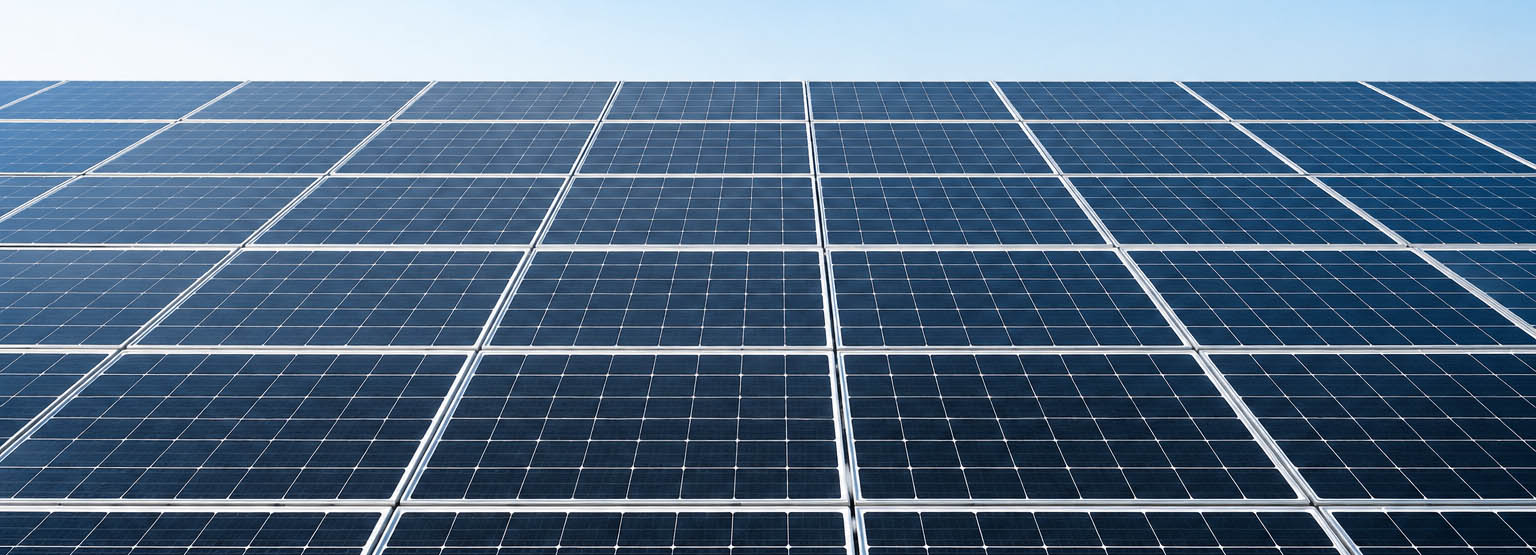
The Challenge: A large-scale logistics and cold-chain distribution center located in a high-temperature region was experiencing severe power degradation during peak summer months. Their legacy polycrystalline array was suffering from a poor temperature coefficient, causing generation to plummet exactly when their heavy-duty HVAC cooling loads were highest.
The Solution: Anern's engineering team executed a complete repowering of the facility. The old panels were replaced with 1.2MW of high-efficiency, N-Type TOPCon bifacial modules. The new system leveraged the highly reflective white TPO roofing material to capture albedo light on the rear side of the panels.
The Results:
When your enterprise is investing capital into a megawatt-scale installation, differentiating between residential-grade hardware and true commercial assets is imperative. You must ensure your procurement strategy focuses on Tier 1 Industrial Solar Panels. These modules undergo rigorous third-party testing (such as rigorous EL testing to detect invisible micro-cracks) and are built with heavy-duty anodized aluminum frames designed to withstand severe positive snow loads (5400 Pa) and negative wind loads (2400 Pa).
Furthermore, pay strict attention to the linear performance warranty. A reliable industrial module should guarantee no more than 0.4% annual degradation from year 2 to year 25, ensuring your facility possesses predictable, bankable energy generation for decades.
Partner with Anern. Leverage our 17 years of manufacturing excellence and automated production lines to secure premium photovoltaic modules for your next commercial project.
Request Wholesale Technical SpecsThe "Tier 1" ranking, typically managed by Bloomberg New Energy Finance (BNEF), is a measure of bankability, not necessarily just quality. It means the manufacturer has provided own-brand, own-manufacture panels to multiple utility-scale projects that have been non-recourse financed by different commercial banks. It is a strong indicator of financial stability, automated manufacturing prowess, and warranty reliability.
Yes, provided the installation conditions are correct. Bifacial panels generate power from both the front and rear sides. If your commercial roof has a high albedo (e.g., painted white or featuring a light-colored TPO membrane) and the panels are mounted at an optimal tilt with sufficient ground clearance, bifacial modules can boost total energy yield by 5% to 15%, significantly enhancing your ROI.
Maintenance frequency depends heavily on your local environment. In areas with high dust, agricultural activity, or heavy industrial pollution, panels may require cleaning two to three times a year to prevent a 5-10% drop in generation due to soiling. High-quality modules often feature anti-reflective and anti-soiling glass coatings that help rain naturally wash away debris, reducing manual maintenance requirements.

Add :5th Floor, Building B, No.2817 Kaichuang Avenue, Science Zone, Huangpu District, Guangzhou, China


Anern Industry Group Limited All Rights Reserved.Xml | Privacy Policy  Network Supported
 Language


