Do solar panels fail in hot weather?
Apr 03, 2026
When people ask, "Do solar panels fail in hot weather?" I can say with confidence that they do not. Anern solar panels keep working, even in extreme heat. Modern designs withstand high temperatures. For example, monocrystalline panels may lose only 0.30% to 0.50% efficiency per degree Celsius above 25°C.
Panel Type
Temperature Coefficient (per °C)
Monocrystalline silicon
-0.30% to -0.50%
Polycrystalline silicon
-0.40% to -0.50%
Thin-film (amorphous silicon)
-0.20% to -0.32%
Heterojunction (HJT)
-0.24% to -0.30%
Do solar panels fail in hot weather?
Performance in High Temperatures
When I consider the question, "Do solar panels fail in hot weather?", I look at real-world data and field tests. Solar panels, including Anern's 580w solar panel and half cell solar panel models, do not fail even during extreme heat. Instead, they continue to generate power, though output may decrease slightly. For example, at 50°C, most panels still operate at about 92% of their rated output. Even during heatwaves, I see that panels experience reduced efficiency, not a total shutdown. This means that commercial buyers can rely on consistent performance, even in challenging climates.
As Professor Alastair Buckley from the University of Sheffield explains, "It’s not actually a big deal. High temperatures only marginally affect the overall output of solar power – it’s a secondary effect. If it’s sunny and hot, you are going to get good power output. It doesn’t fall off a cliff."
Efficiency Loss Explained
I often get asked, "Do solar panels fail in hot weather?" The answer is no, but it is important to understand efficiency loss. The main factor is the temperature coefficient. For most commercial panels, including Anern’s half cut solar panel, the temperature coefficient ranges from -0.3% to -0.5% per degree Celsius above 25°C. This means that for every degree above 25°C, the panel’s output drops by that percentage. For example, if the temperature rises from 25°C to 60°C, a panel with a -0.35%/°C coefficient will lose about 12.25% of its output.
The efficiency loss per degree Celsius increase is typically between 0.3% and 0.5%.
Different technologies, such as PERC, TOPCon, IBC, and HJT, show varying losses at high temperatures.
On hot days, a 10-15% decrease in power output can occur due to elevated temperatures.
I see that crystalline silicon modules can produce 15%–20% more electricity in cooler conditions compared to hot weather. However, the drop in output does not mean failure. Instead, it reflects a predictable and manageable reduction.
Here is a general parameter table for commercial buyers, comparing key Anern models:
Model
Rated Power
Cell Type
Temperature Coefficient
Operating Temp. Range
Key Features
580w Solar Panel
580W
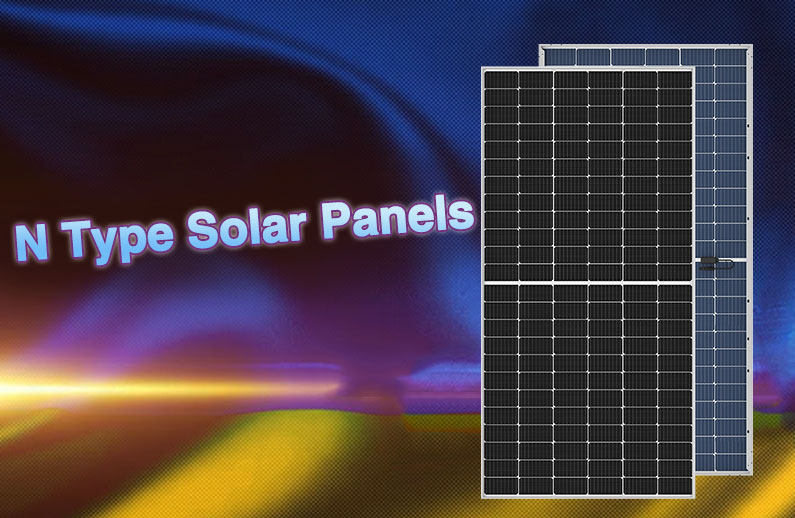
N-Type Bifacial
-0.30%/°C
-45°C to +85°C
High efficiency, bifacial, dual glass
Half Cell Solar Panel
550W
P-Type Half Cut
-0.35%/°C
-45°C to +85°C
Reduced shading loss, dense grid
Half Cut Solar Panel
540W
Mono Half Cut
-0.35%/°C
-45°C to +85°C
Enhanced durability, anti-PID
This table helps wholesalers and resellers compare options for large-scale projects.
Temperature Limits and Durability
I always check the operating range before recommending a solar panel for commercial use. Anern solar panels, including the 580w solar panel and half cut solar panel, are certified to operate from -45°C to +85°C. This matches or exceeds industry standards. I know that Anern panels use advanced materials, such as high-durability glass and anti-reflective coatings, to manage heat absorption and resist abrasion.
Feature
Description
Panel Technology
N-Series and Mono Half Cut panels handle heat effectively.
Temperature Coefficient
As low as -0.30%/°C for N-Series, ensuring better power retention in heat.
Material
Monocrystalline silicon for improved temperature performance.
Anti-PID Features
Protect against heat-induced degradation for long-term reliability.
Design Features
High-durability glass and anti-reflective coatings for better heat management.
Manufacturers test these panels using methods like thermal cycling, damp heat, and the Double 85 Test (85°C and 85% humidity for 1000 hours). These tests ensure that Anern panels can withstand the toughest conditions without failure.
Trade association Solar Energy UK confirms that solar panels are generally expected to function from -40°C to +85°C. Performance falls by 0.2-0.5% for every degree above 25°C, but high heat often coincides with more sunlight and longer days.
I have seen that warranty terms for Anern panels cover natural degradation, including effects from high temperatures, potential induced degradation (PID), and thermal cycling. This gives commercial buyers peace of mind when investing in large-scale solar projects.
So, do solar panels fail in hot weather? My experience and the data say no. Anern’s commercial panels, such as the 580w solar panel, half cell solar panel, and half cut solar panel, deliver reliable performance and durability, even in the hottest climates.
Real-World Use and Managing Heat
Hot Climate Examples
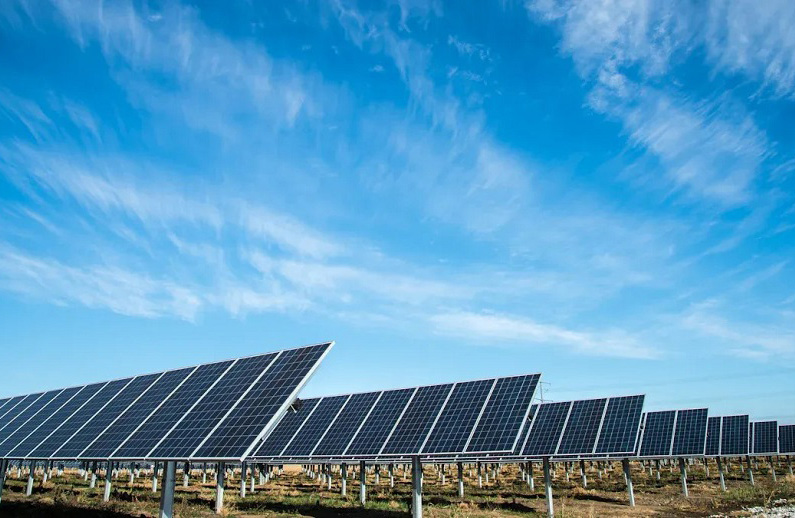
I have seen Anern solar panels perform reliably in some of the hottest regions, including Uganda and Zimbabwe. These projects have brought electricity to communities that once had limited access. The long-term success of these installations depends on engineering quality and proper design. I noticed that ground-mounted systems often stay cooler than rooftop setups, which helps maintain efficiency. Installers in these regions pay close attention to system sizing, battery storage, and regular maintenance to ensure consistent energy generation.
Solar panels in hot climates can reach 130–160°F.
Ground-mounted panels usually run cooler, boosting efficiency.
Understanding how heat affects panels helps me plan better installations.
Panel Types and Heat Tolerance
When I compare different panel types, I see that heat tolerance varies. Here is a quick look at how common technologies perform:
Type of Panel
Temperature Coefficient (°C)
Efficiency Loss (%) at 87°F
Monocrystalline
-0.3% to -0.5%
3% to 5%
Polycrystalline
-0.3% to -0.5%
3% to 5%
Bifacial
-0.34%
N/A
Dual Glass
N/A
N/A
Bifacial panels, like Anern’s 580w solar panel, capture sunlight from both sides, which increases total energy output. I also recommend the half cell solar panel and half cut solar panel for their strong performance in heat.
Tips to Reduce Heat Impact
To answer, "Do solar panels fail in hot weather?", I focus on practical solutions. I always suggest these steps for commercial projects:
Choose panels with low temperature coefficients, such as the 580w solar panel.
Install panels with a gap from the roof or use tilted racks to improve airflow.
Clean panels regularly to remove dust and debris.
Schedule quarterly inspections, especially in dusty or hot regions.
Manage vegetation to prevent shading and overheating.
Tip: Mounting panels 4–8 inches above the roof can lower temperatures by up to 10°C, which may boost output by 2–5%.
By following these strategies, I help clients get the best performance from their solar investments, even in extreme heat.
I have seen that Anern solar panels, including the 580w solar panel, half cell solar panel, and half cut solar panel, do not fail in hot weather.
Efficiency may drop by 0.3%–0.5% per degree Celsius above 25°C.
Most systems deliver years of savings before any significant loss.
Best Practice
Description
Maximize Efficiency
Use proper spacing and cooling methods for better output.
Technology Matching
Choose the right panel type for your climate.
I always recommend choosing durable panels and following expert guidance for reliable performance in extreme heat.
FAQ
How do Anern solar panels handle extreme heat in commercial installations?
I see Anern’s 580w solar panel, half cell solar panel, and half cut solar panel maintain strong output in high temperatures. Their design supports reliable performance for large-scale projects.
Will high temperatures shorten the lifespan of my solar panels?
I have not observed reduced lifespan with Anern panels. The advanced materials and anti-PID features protect the 580w solar panel and half cell solar panel from heat-related damage.
What is the best way to maximize efficiency in hot climates?
I recommend using the 580w solar panel or half cut solar panel with proper mounting for airflow. Regular cleaning and scheduled inspections help maintain peak performance in commercial systems.





 Network Supported
 Language


